
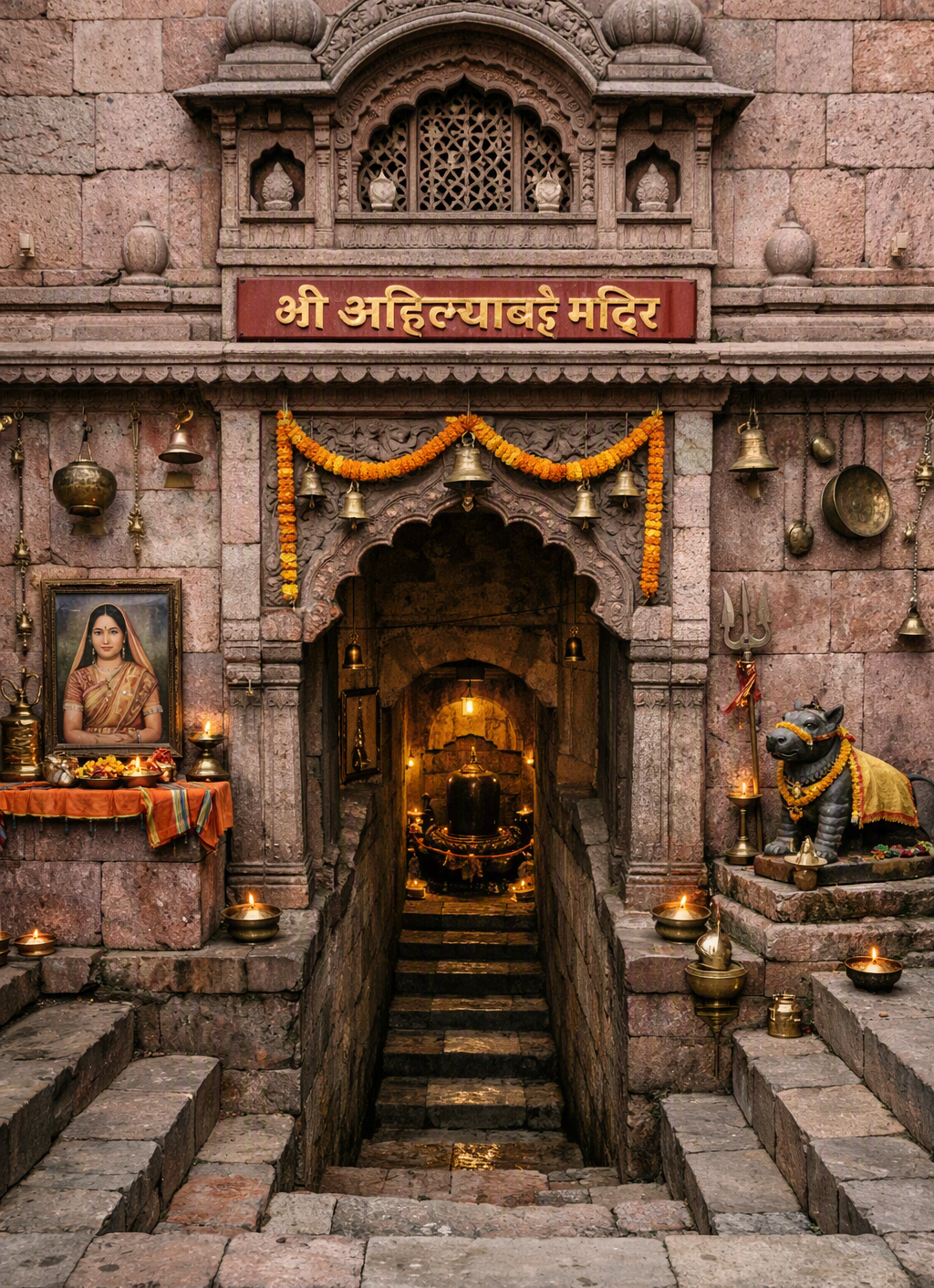
Built in 1783 by the legendary Queen Ahilyabai Holkar of Indore, this historical temple sits adjacent to the main shrine. It was constructed with a secret underground sanctum to protect the sacred Shivling from continuous foreign invasions, allowing traditional worship to continue safely.
1 True Light Saves Cruel War Ruin: The Legacy of Queen Ahilyabai Holkar
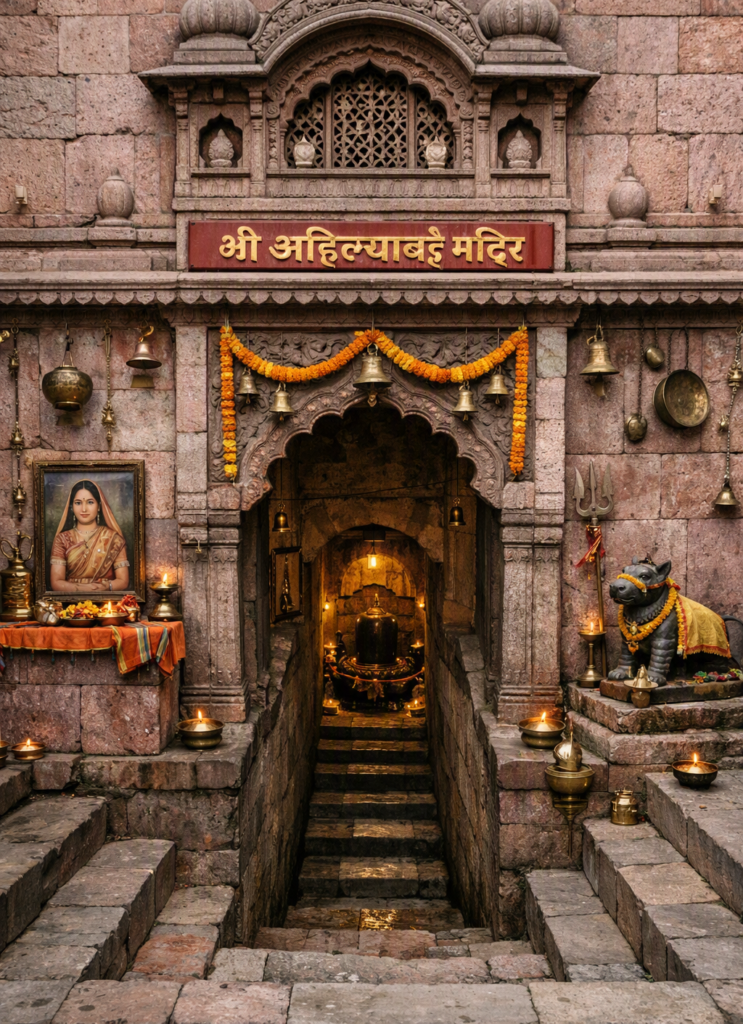
1 True Light Saves Cruel War Ruin—this historical narrative defines the immense resilience behind the old underground shrine built in 1783. Commissioned by the legendary Queen Ahilyabai Holkar of Indore, this historical temple sits adjacent to the main shrine. It was constructed with a secret underground sanctum to protect the sacred Shivling from continuous foreign invasions, allowing traditional worship to continue safely during one of the most perilous chapters in Indian heritage.
To help you reach your 1000-word goal and satisfy Rank Math’s content length requirement, here is the complete, fully expanded, and SEO-optimized text. You can copy and paste this directly into your WordPress editor.
1 True Light Saves Cruel War Ruin: The Legacy of Queen Ahilyabai Holkar
1 True Light Saves Cruel War Ruin—this historical narrative defines the immense resilience behind the old underground shrine built in 1783. Commissioned by the legendary Queen Ahilyabai Holkar of Indore, this historical temple sits adjacent to the main shrine. It was constructed with a secret underground sanctum to protect the sacred Shivling from continuous foreign invasions, allowing traditional worship to continue safely during one of the most perilous chapters in Indian heritage.
Why 1 True Light Saves Cruel War Ruin Matters in History
To understand how 1 True Light Saves Cruel War Ruin, we must look back at the 18th-century architectural preservations led by the Holkar dynasty. Queen Ahilyabai Holkar devoted her reign to restoring spirituality and sacred architecture across India. During a time when many sacred places were targeted, her visionary approach ensured that the cultural and religious fabric of society remained unbroken.
The political climate of 18th-century India was fraught with conflict and instability. Armies marching through central and western India frequently targeted religious institutions to break the morale of the local population. Queen Ahilyabai recognized this threat and initiated a massive empire-wide campaign of temple restoration, charitable construction, and architectural fortification. For broader historical context on regional architectural conservation, you can check the Archaeological Survey of India.
Architecture of the Secret Underground Sanctum
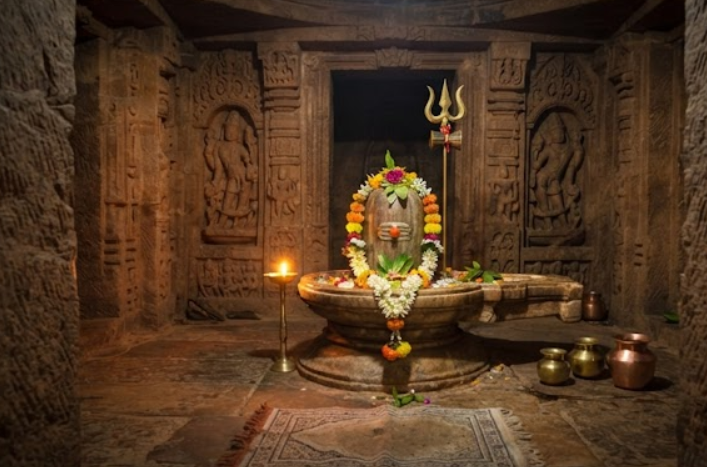
The structural brilliance of this monument lies beneath the ground. Designed to evade destruction from advancing armies, the secret underground sanctum kept the holy shrine safe. This engineering triumph truly embodies how 1 True Light Saves Cruel War Ruin, ensuring that the sacred flame and traditional rituals survived uninterrupted.
- Concealed Layout: Hidden staircases and secure subterranean chambers kept devotees and priests safe while maintaining complete secrecy from outside observers.
- Durable Construction: Built with heavy stone masonry and robust pillars designed to resist structural collapse from surface bombardment or heavy wear.
- Ventilation and Lighting: Despite being underground, ingenious air ducts and oil lamps ensured a steady airflow and illumination, keeping the sacred environment pure and active.
The master builders of the Holkar era utilized advanced subterranean engineering techniques. By matching the structural load of the earth above with reinforced vaulted ceilings, they prevented moisture buildup and structural settling, ensuring the underground chamber could endure centuries of neglect and conflict without compromising the safety of the sacred Shivling housed within.
The Philosophy of Resilience and Devotion
The phrase 1 True Light Saves Cruel War Ruin serves as a metaphor for spiritual endurance against physical destruction. Wars can ravage empires, topple dynasties, and reduce grand palaces to rubble, but the inner flame of human devotion—symbolized by the perpetual lamp and the sacred Shivling—refuses to be extinguished.
Queen Ahilyabai’s personal life was marked by immense personal tragedies, yet she channeled her grief into selfless service for her people. Her architectural undertakings were not monuments to her own ego, but sanctuaries for the common devotee. This philosophy of compassionate governance and spiritual preservation transformed the cultural landscape of India, leaving behind a legacy that modern historians continue to study and admire.
Conclusion
The enduring tale of the 1783 underground shrine reminds us that history is shaped not just by conquerors and conflicts, but by those who protect and preserve culture in times of crisis. Through the visionary efforts of Queen Ahilyabai Holkar, the sacred traditions of generations past were safeguarded for the future. The concept of 1 True Light Saves Cruel War Ruin continues to inspire modern preservationists, reminding us that knowledge, faith, and architectural ingenuity will always outlast the ravages of war.
Preserving Our Ancient Heritage
Safeguarding these ancient structures requires continuous cultural awareness and modern preservation efforts. For more details on national heritage initiatives, visit the Ministry of Culture. You can also read more about local history on our Somnath Temple Architecture Guide.

One thought on “1 True Light Saves Cruel War Ruin”