Panch Pandav Gufa: Panch Pandav Gufa is an ancient cave temple linked to the Mahabharata. Explore the stone walls where the Pandava brothers spent their exile.
Panch Pandav Gufa, Somnath: 1 Safe Rest Escapes Bad Dark Day
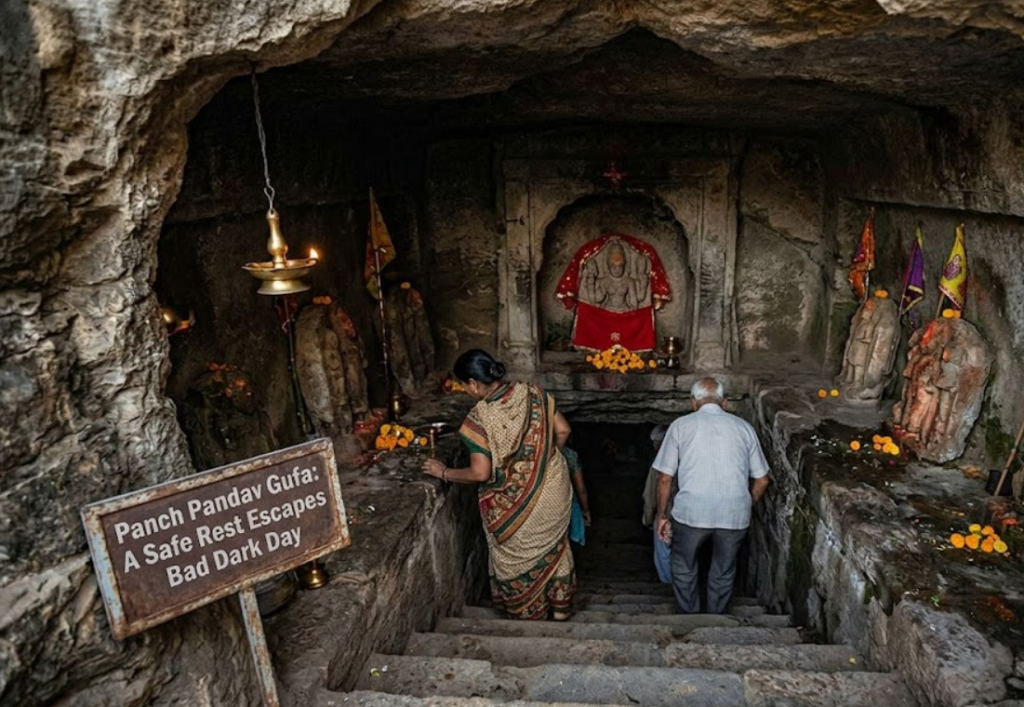
The Panch Pandav Gufa (also known locally as Hinglaj Mataji Gufa or Pandav Gufa) is one of the most intriguing and sacred spiritual landmarks located near the historic town of Somnath in Gujarat. Situated in the elevated Lalghati area near Triveni Sangam, this ancient cave temple seamlessly weaves together deep mythological significance from the Hindu epic Mahabharata, natural subterranean beauty, and an aura of quiet reflection. For the epic heroes seeking shelter during exile, finding this cave ensured 1 safe rest escapes bad dark day scenarios engineered by their adversaries.
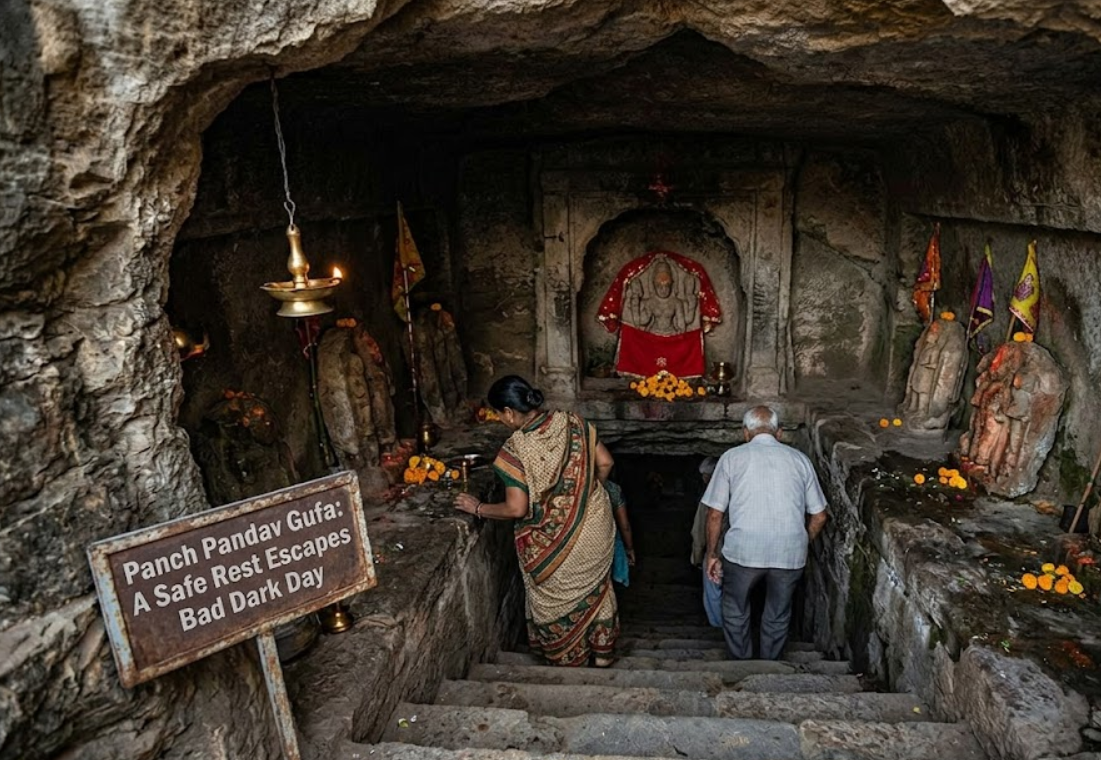
While millions of pilgrims visit the grand Somnath Jyotirlinga Temple each year, the Panch Pandav Gufa offers a distinctly intimate, rustic, and mystical pilgrimage experience. Entering the cave requires visitors to descend narrow, steep stone steps, physically bending low—a literal and symbolic gesture of humility before stepping into a space held sacred for centuries.
Mythological Legend: How 1 Safe Rest Escapes Bad Dark Day
The origins of the cave are rooted deep within the narrative of the Mahabharata. According to local tradition and long-standing legend, the five Pandava brothers—Yudhisthira, Bhima, Arjuna, Nakula, and Sahadeva—along with their mother Kunti and wife Draupadi, sought shelter in these underground caverns during their long period of Agyatvas (incognito exile).
The Underground Refuge of the Pandavas
During their stay in the Saurashtra region, the Pandava brothers needed a secluded place where they could perform their daily penance, meditate in silence, and offer prayers without being detected by the spies of the Kauravas. Finding shelter inside this quiet rock cavern ensured 1 safe rest escapes bad dark day circumstances, allowing them to remain undetected and spiritually protected.
It is believed that while residing in this cave, the Pandavas installed and worshipped deities, specifically offering deep devotion to Maa Hinglaj (a revered form of Goddess Shakti), as well as Lord Shiva. Spiritual traditions hold that the intense devotion (tapasya) performed by the Pandavas in these underground rock chambers imbued the cave walls with a lasting spiritual energy, making it a powerful site for meditation and spiritual seekers to this day.
Historical Rediscovery: 1 Safe Rest Escapes Bad Dark Day for Pilgrims
Though the cave’s sacred lineage extends back into antiquity, its modern public existence and preservation began in 1949 when it was formally rediscovered by Late Baba Narayandas. Recognizing the site’s profound cultural and spiritual heritage, Baba Narayandas established the formal shrine structure around the cave entrance and helped make the interior safely accessible to pilgrims.
Since its modern establishment, the site has been maintained as both a cave temple and a focal point for Sanskrit scholarship and local religious tradition. Despite the passage of centuries and historical transformations in the surrounding region, the cave has retained its authentic, untouched underground ambiance.
Architecture: Where 1 Safe Rest Escapes Bad Dark Day Underground
Unlike typical North Indian temples characterized by rising spires (shikharas) and large assembly halls (mandapas), the Panch Pandav Gufa is defined by its natural rock formations and underground architecture.
The Unique Cave Entry
The entryway and interior layout emphasize natural shelter and isolation:
- Narrow Entryway: The entrance to the cave is low-ceilinged and tight. Adults must bend down or stoop low as they navigate the stone staircase leading into the subterranean chambers.
- Controlled Access: Due to the narrowness of the interior passageways, devotees typically enter in small batches of 5 to 6 people at a time. This constraint creates a quiet, uncrowded experience inside the main prayer area.
- Natural Rock Caverns: The interior features cool, damp stone walls and natural rock ceilings that naturally muffle external noise, creating an atmosphere that encourages quiet contemplation. Here, away from the heat and chaos of the outside world, 1 safe rest escapes bad dark day troubles for every visitor stepping inside.
Deities and Inner Shrines
Inside the primary subterranean chamber, visitors will find several idols and shrines setup along the rock walls:
- The Five Pandavas: Small shrines and representations dedicated to Yudhisthira, Bhima, Arjuna, Nakula, and Sahadeva.
- Hinglaj Mata Mandir: The central sanctum honoring Maa Hinglaj, reflecting the cave’s secondary name (Hinglaj Mataji Gufa).
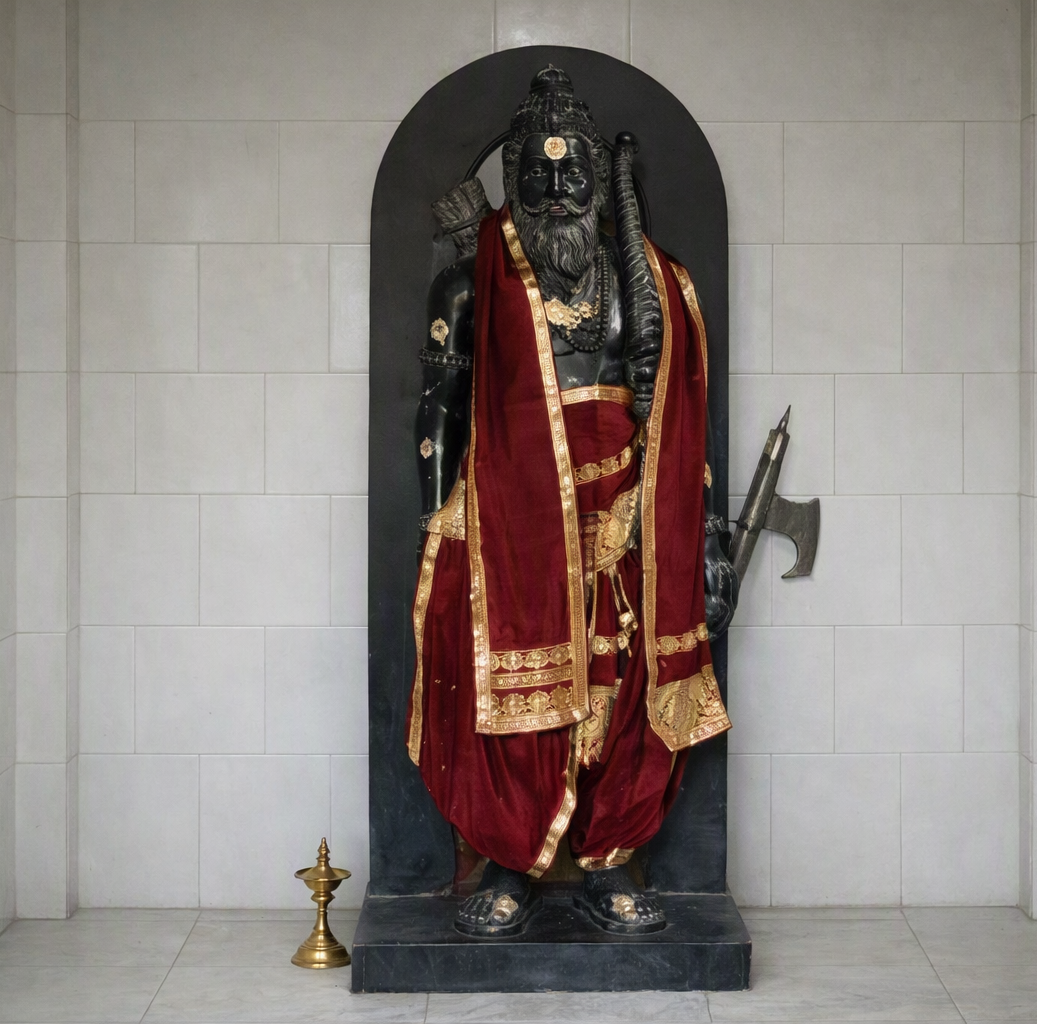
- Additional Shrines: Sculptures and idols of Lord Shiva, Goddess Durga, Lord Ram, Lakshman, Devi Sita, and Lord Hanuman.
Spiritual Significance: Why 1 Safe Rest Escapes Bad Dark Day Here
The Panch Pandav Gufa serves as a vital bridge connecting classical Indian epic literature with tangible geography. For pilgrims, walking through the very stone walls where the Pandavas are said to have rested during their hardest trial provides a tangible connection to the Mahabharata.
Goddess Hinglaj Worship
The worship of Goddess Hinglaj inside the cave is culturally noteworthy. Maa Hinglaj’s primary Shakti Peeth is located in Balochistan, Pakistan; thus, the Panch Pandav Gufa in Somnath provides Indian devotees with a deeply revered shrine dedicated to Hingalaj Mata right within Gujarat.
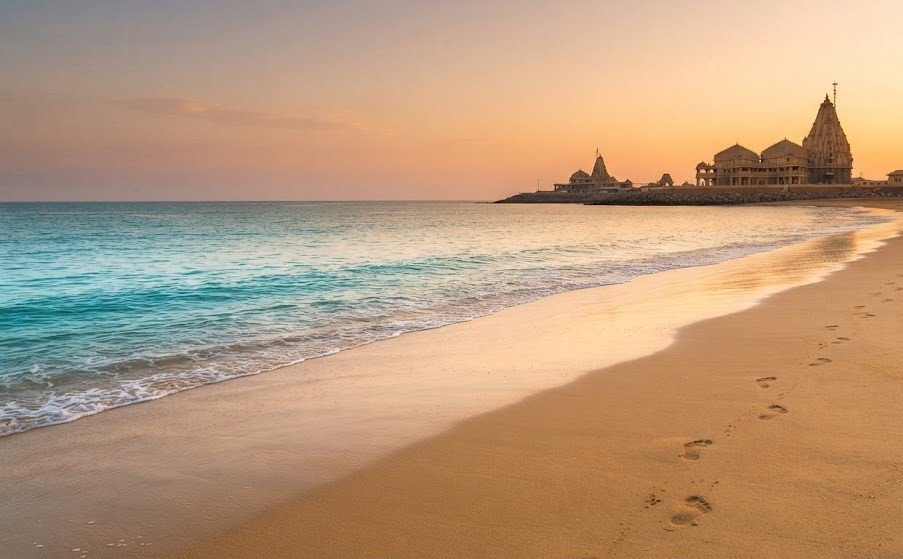
Furthermore, the surrounding hilltop area in Lalghati offers views looking out toward the Arabian Sea and the city of Somnath, combining physical elevated perspectives with spiritual peace.
Practical Visitor Information
| Parameter | Details |
| Location | Lalghati, near Triveni Sangam Ghat, Somnath / Prabhas Patan, Gujarat |
| Nearest Railway Station | Veraval Railway Station (~7 km) |
| Nearest Airport | Diu Airport (~63 km) or Rajkot/Keshod Airport |
| Best Time to Visit | October to March (mild winter climate ideal for exploring) |
| Suggested Time Needed | 45 minutes to 1.5 hours |
| Nearby Attractions | Triveni Sangam, Somnath Temple, Suraj Mandir, Gita Temple |
Important Tips for Visitors
- Mobility Consideration: Because the steps into the cave are steep, narrow, and require bending down, elderly visitors or individuals with severe knee or back issues should take extra precaution.
- Batch Entry: Be prepared to wait briefly at the entrance, as temple caretakers manage entry in small groups to maintain safety and comfortable breathing conditions inside.
- Photography Rules: Photography inside the inner cave sanctum is typically restricted to preserve the sanctity and privacy of worship.
Nearby Landmarks: Where 1 Safe Rest Escapes Bad Dark Day Journeys
A visit to the Panch Pandav Gufa is easily combined with several other historical and religious sites in the Somnath-Prabhas Patan circuit:
- Triveni Sangam Ghat: Located nearby, this is the sacred confluence of three rivers—Hiran, Kapila, and Saraswati—before they flow into the Arabian Sea.
- Suraj Mandir: An ancient temple dedicated to the Sun God (Surya), situated within walking distance of the caves.
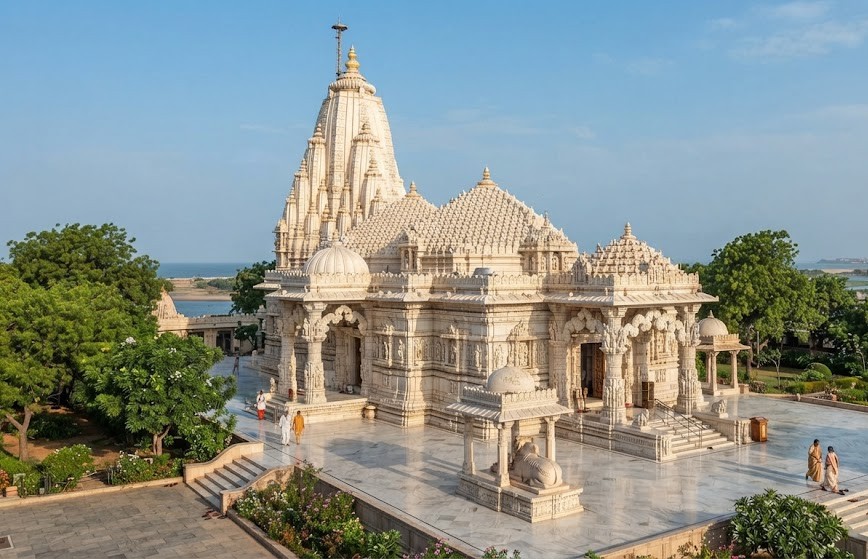
- Somnath Jyotirlinga Temple: The premier temple of Lord Shiva, located roughly 10–15 minutes away by car or rickshaw.
- Bhalka Teerth: The sacred spot where Lord Krishna is believed to have departed from the mortal world.
Conclusion: 1 Safe Rest Escapes Bad Dark Day
The Panch Pandav Gufa in Somnath stands as a remarkable testament to India’s living cultural and epic history. Rather than competing with the grandeur of large surface temples, it offers a serene, quiet subterranean sanctuary where history, legend, and quiet devotion converge—proving how even in ancient times, 1 safe rest escapes bad dark day struggles through spiritual shelter. Whether explored by devout pilgrims seeking blessings from Maa Hinglaj and the Pandavas or by history enthusiasts eager to step into ancient legends, the cave remains one of Saurashtra’s most memorable spiritual destinations.