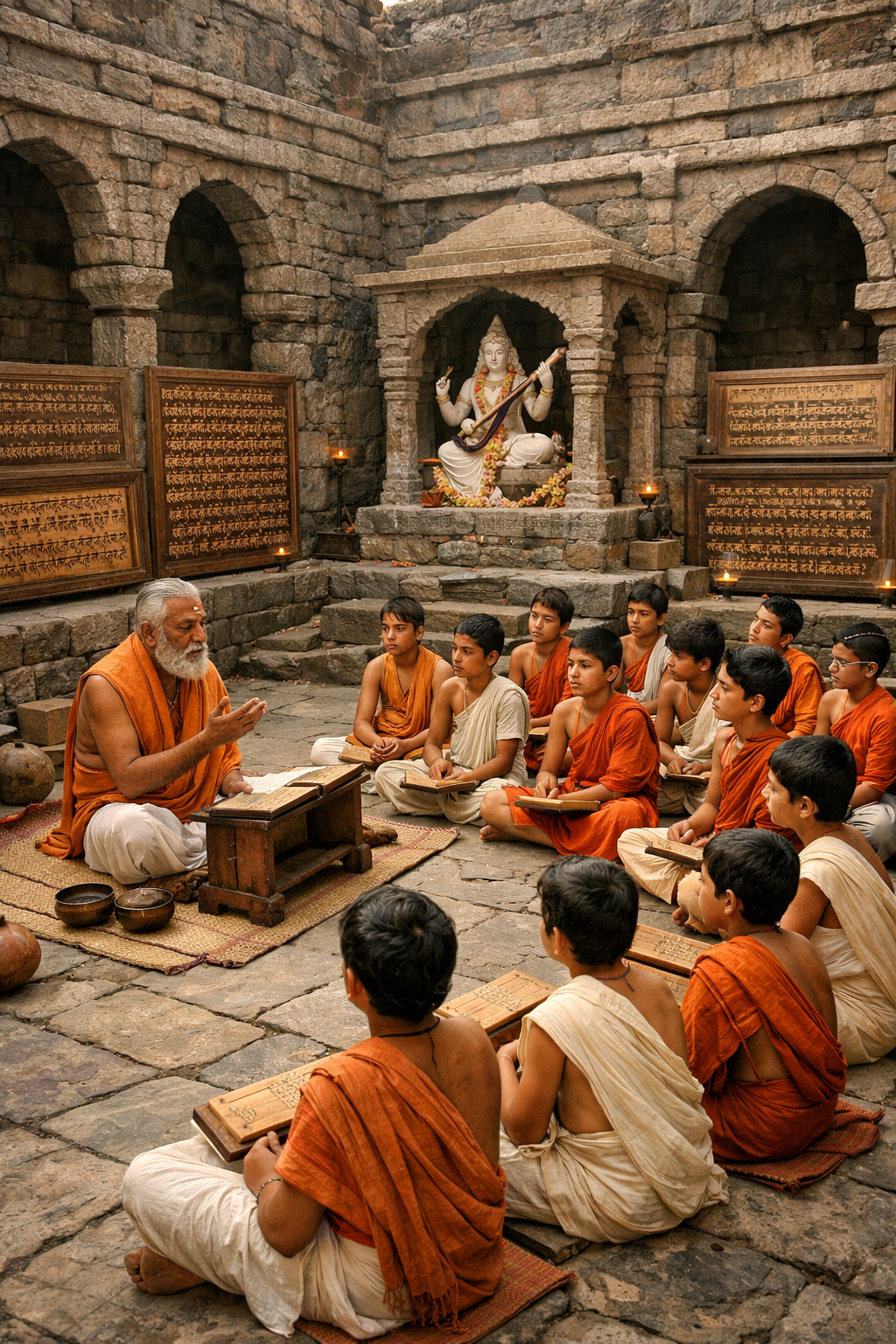
An ancient temple honoring Lord Vishnu in his special form as Daityasudan—the absolute vanquisher of dangerous demons. The shrine houses a beautifully sculpted ancient black marble idol holding four powerful weapons, representing the eternal victory of good over dark forces
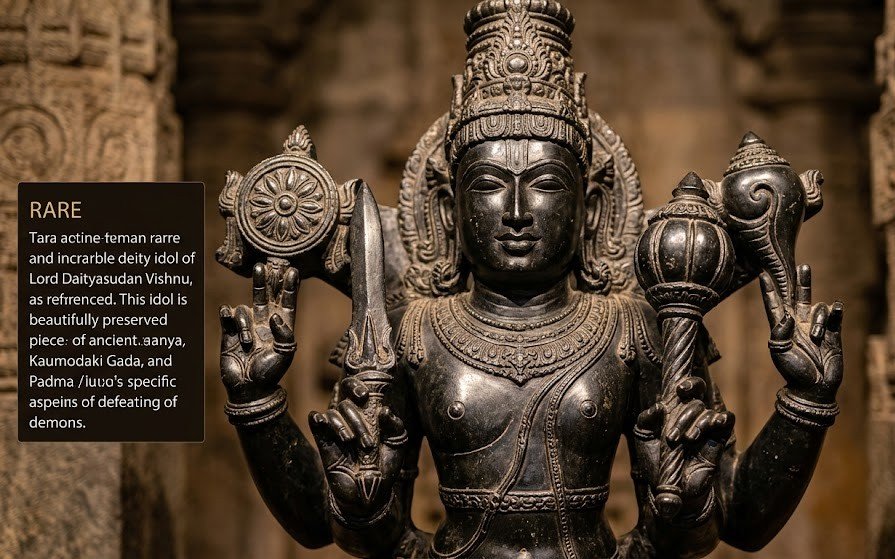
1 Great Hero Wins Over Cruel Bad Demon: The Sacred Legacy of Lord Daityasudan
Throughout history, humanity has turned to sacred spaces and timeless narratives to understand the grand struggle between light and darkness. At the center of these spiritual traditions stands a profound theme: 1 Great Hero Wins Over Cruel Bad Demon. This concept is not merely a mythic trope; it represents a deep cosmological truth about the restoration of righteousness, harmony, and cosmic order (Dharma). Across ancient texts, architectural marvels, and holy shrines, this battle is commemorated to remind seekers that no matter how overwhelming the forces of negativity may seem, divine righteousness ultimately prevails.
One of the most magnificent physical manifestations of this divine triumph is found in the ancient temple honoring Lord Vishnu in his specialized form as Daityasudan—the absolute vanquisher of dangerous demons. Located in a realm rich with heritage and spiritual resonance, this sacred site houses a beautifully sculpted ancient black marble idol. Holding four powerful weapons in his hands, the deity stands as an enduring monument to the eternal victory of good over dark forces.
The Sacred Legend of Lord Daityasudan
To fully appreciate the significance of the shrine, one must first explore the ancient narrative that gave rise to the worship of Lord Daityasudan. The title Daityasudan translates directly to “the slayer of the Daityas” (demons or cosmic forces of discord). According to divine lore, the realm was once terrorized by a cruel, tyrannical demon whose ambitions threatened to disrupt the cosmic balance, oppress the innocent, and cast a shadow of chaos over the universe.
When the suffering of the world reached its peak, the divine consciousness descended to restore balance. In this form, Lord Vishnu manifested specifically to target and destroy the roots of evil. The legend highlights a dramatic turning point where 1 Great Hero Wins Over Cruel Bad Demon, proving that arrogance, destruction, and malevolence are temporary, whereas truth and cosmic order are eternal.
Cosmic Significance of the Battle
The defeat of the demon is far more than a physical triumph; it carries profound symbolic meaning:
- The Victory of Inner Light: The demon symbolizes ignorance (Avidya), ego (Ahamkara), and destructive passions. The divine Hero represents self-realization, clarity, and unyielding virtue.
- Restoration of Order: In Hindu cosmology, whenever righteousness declines, the supreme force intervenes to re-establish Dharma.
- A Beacon for Devotees: The story assures spiritual seekers that their inner struggles against negative tendencies can be overcome through devotion, discipline, and divine grace.
The Magnificent Black Marble Deity
At the heart of the temple stands the majestic idol of Lord Daityasudan—a masterwork of ancient stone carving and sacred iconography. Sculpted from a single block of rare, high-density black marble, the idol possesses an extraordinary luster and fine detail that has survived through centuries of devotion.
Iconography and Sacred Detail
The sculpture captures the deity in a powerful yet serene posture (Samabhanga or slight dynamic stance), exuding an aura of absolute majesty, protection, and supreme strength. Every contour of the black marble reflects an extraordinary level of craftsmanship:
- The Divine Crown (Kiritamukuta): Adorned with intricately carved crowns and jewels, symbolizing cosmic sovereignty.
- Facial Expression: Despite being a fierce warrior vanquishing darkness, the idol’s face maintains a tranquil, compassionate expression—reminding devotees that divine anger is strictly focused on unrighteousness and stems from supreme love for creation.
- Sacred Adornment: Detailed carvings of necklaces, armlets, chest ornaments (Kaustubha gem), and flowing garments adorn the dark marble, creating a striking contrast against the polished stone.
The Four Sacred Weapons: Instruments of Cosmic Order
The highlight of the idol is the detailed rendering of four iconic weapons held in the deity’s four hands (Chaturbhuja). Each weapon holds a specific theological and metaphysical function in ensuring how 1 Great Hero Wins Over Cruel Bad Demon:
| Weapon / Symbol | Sanskrit Name | Metaphysical Significance |
| Sudarshana Chakra | Discus | Represents the wheel of time, ultimate intelligence, and the swift destruction of delusion and ego. |
| Panchajanya Shankha | Conch Shell | Symbolizes the primordial sound (Om), the awakening of divine consciousness, and the victory call over evil. |
| Kaumodaki Gada | Mace | Represents physical and spiritual authority, the power to shatter ignorance, and firm discipline. |
| Padma / Nandaka | Lotus / Sword | Symbolizes spiritual purity, detachment, and the sharp edge of wisdom slicing through delusion. |
1. The Discus (Sudarshana Chakra)
Held in one of the upper hands, the disc features fine wheel-spoke carving. It signifies the relentless flow of time and the divine intellect that effortlessly cuts through complex webs of deceit and darkness.
2. The Conch Shell (Panchajanya Shankha)
The beautifully spiraled conch represents the sonic vibration that creates and sustains the universe. When blown in spirit, its cosmic sound dispels fear, awakens sleeping souls, and scatters the forces of darkness.
3. The Mace (Kaumodaki Gada)
Representing ultimate physical authority and divine force, the mace is depicted with carved fluting and ornamental bands. It symbolizes the force required to break down stubborn evil and unyielding pride.
4. The Sacred Sword or Lotus (Nandaka / Padma)
Depending on the specific iconographic interpretation of the Daityasudan form, the fourth hand either holds the lotus of spiritual elevation or the sword of sharp wisdom. Both emphasize that the ultimate goal of vanquishing darkness is the flourishing of truth and purity.
Architectural Splendor of the Ancient Temple
The temple housing the black marble deity is itself a sanctuary of ancient stone art and spiritual engineering. Built according to traditional Vastu Shastra and Agama principles, the structure acts as a bridge between the physical and spiritual realms.
       [ Garbhagriha (Sanctum Sanctorum) ]
                      |
            [ Antarala (Antechamber) ]
                      |
        [ Mandapa (Pillared Assembly Hall) ]
                      |
              [ Temple Entrance ]
Key Architectural Elements
- The Sanctum Sanctorum (Garbhagriha): A dark, quiet chamber designed to focus spiritual energy directly onto the central black marble idol. The contrast of oil lamps against the dark stone creates a profound mystical atmosphere.
- Intricate Pillars and Reliefs: The surrounding stone pillars feature carved depictions of divine guardians, celestial musicians, and subtle narrative panels telling how 1 Great Hero Wins Over Cruel Bad Demon throughout various epochs.
- Acoustic Engineering: The temple hall is structured so that chanting and bells resonate with deep, meditative frequencies, clearing the mind of distraction.
Spiritual Lessons for the Modern World
While the narrative of Lord Daityasudan originates in ancient history, its message remains strikingly relevant today. Modern life presents its own unique “demons”—stress, conflict, division, greed, and spiritual apathy.
- Courage in the Face of Adversity: The image of the hero standing resolute against chaotic forces inspires individuals to face personal hardships with courage and faith.
- The Power of Spiritual Tools: Just as the deity wields four weapons, an individual can cultivate spiritual weapons—truth, compassion, discipline, and wisdom—to defeat negative habits.
- Trust in Ultimate Justice: The core message that 1 Great Hero Wins Over Cruel Bad Demon instills deep optimism, reassuring us that integrity and truth ultimately triumph over temporary falsehood.
Pilgrimage and Devotional Practice
For centuries, pilgrims have traveled to the shrine of Lord Daityasudan to seek blessings of protection, clarity, and inner strength. Visiting the temple is considered a transformative experience, where viewing the deity (Darshan) leaves an indelible mark on the devotee’s mind.
Rituals of Worship
- Abhishekam (Sacred Bath): The black marble idol is ritually bathed in sanctified liquids such as milk, honey, and sandal paste, highlighting the fine carvings of the stone.
- Archana and Chanting: Recitation of ancient hymns celebrating the victory of the Lord over cosmic evil.
- Deeparadhana (Offering of Light): As camphor flames are waved before the black marble statue, the intricate weapon carvings catch the light, vividly portraying the eternal victory of good over dark forces.
Conclusion
The ancient temple of Lord Vishnu as Daityasudan stands as an immortal treasure of faith, art, and spiritual wisdom. Through its breathtaking black marble idol, expert craftsmanship, and profound symbolism, it continues to radiate a powerful message to all generation: light will always pierce the darkness, righteousness will always prevail, and 1 Great Hero Wins Over Cruel Bad Demon