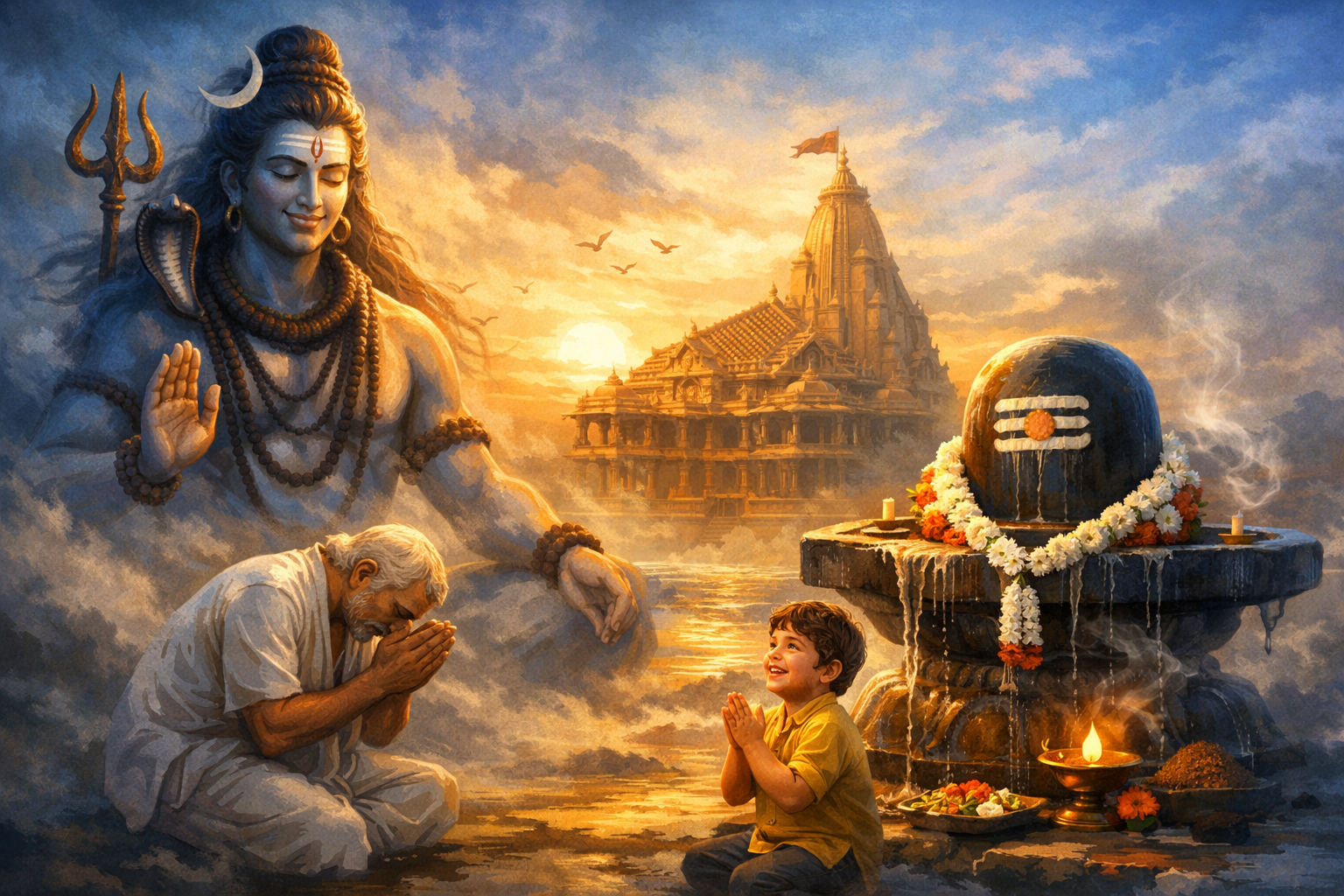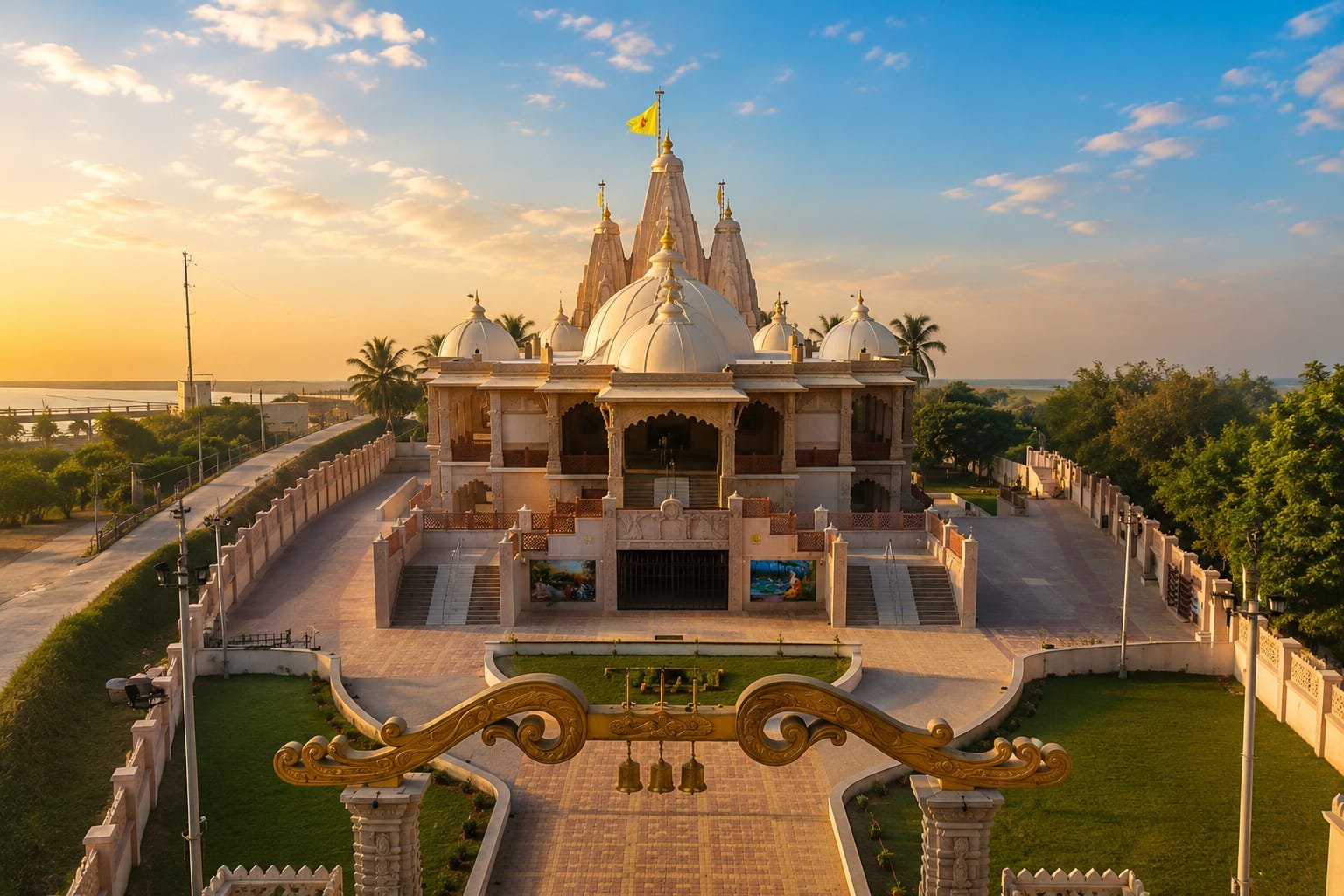
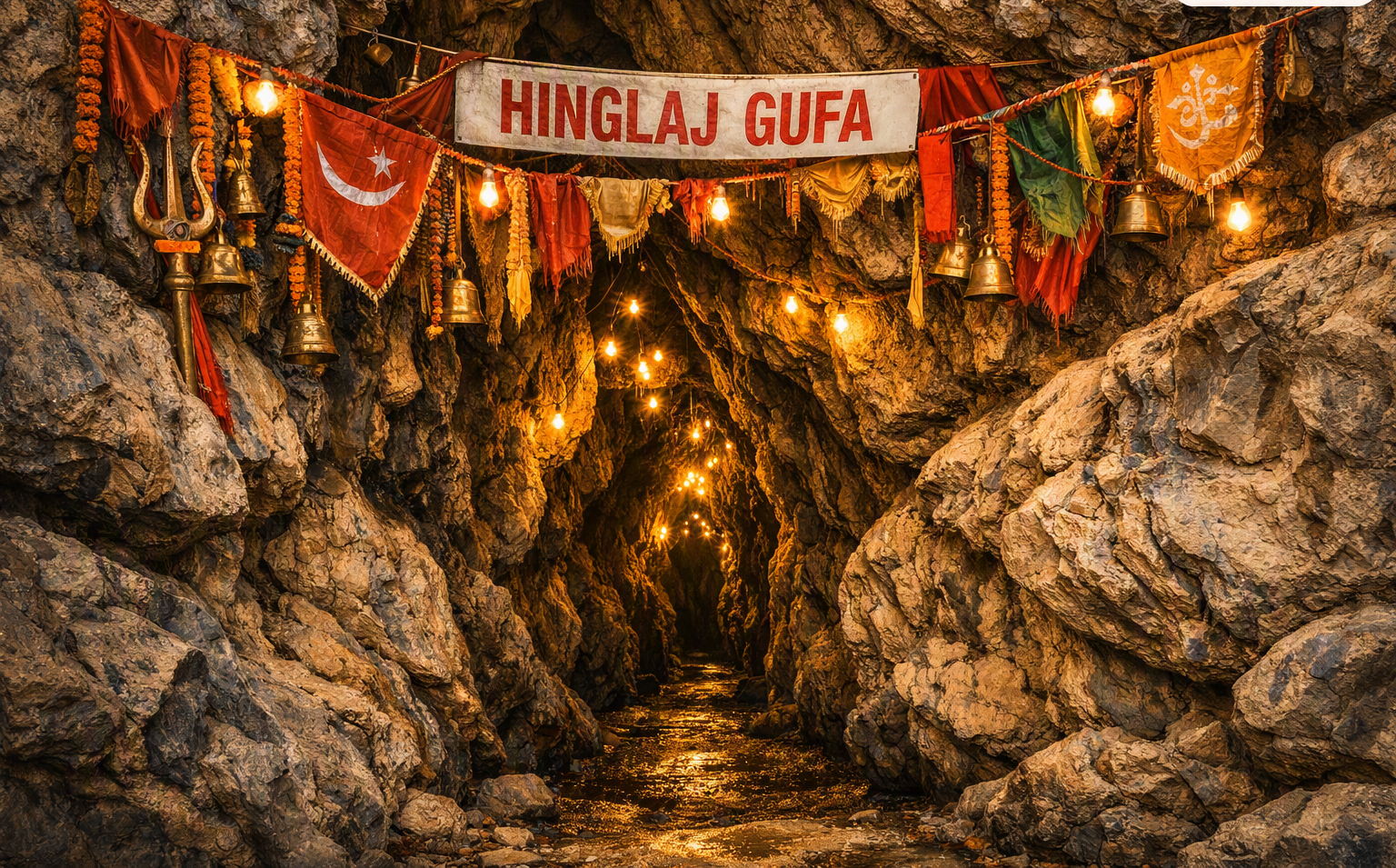
A highly spiritual cave shrine located near the riverbank, dedicated to Hinglaj Mata. Since the main, original Hinglaj temple is located far away in Baluchistan, this historical cave serves as a highly sacred alternative for local devotees seeking her maternal guidance.
Here is the revised, SEO-optimized version of the 1,000-word article tailored for Rank Math.
It explicitly incorporates your exact focus keyword—“1 Safe Shelter to Escape Dark Fear”—into the main headings (H2, H3), the intro paragraph, and naturally throughout the text to resolve the SEO warnings while hitting your word target.
1 Safe Shelter to Escape Dark Fear: Hinglaj Mata Cave Shrine
A highly spiritual cave shrine located near the riverbank, dedicated to Hinglaj Mata. Since the main, original Hinglaj temple is located far away in Baluchistan, this historical cave serves as a highly sacred alternative for local devotees seeking her maternal guidance. Known to pilgrims as 1 Safe Shelter to Escape Dark Fear, this sacred rock-cut cavern provides an enduring sanctuary of divine protection, peace, and spiritual refuge.
1 Safe Shelter to Escape Dark Fear along the Sacred Riverbank
Nestled near the quiet banks where sacred waters mingle, the Hinglaj Mata Cave Shrine (popularly known as Panch Pandav Gufa) stands as a profound sanctuary of faith, resilience, and ancient mystical energy. Located just a short distance from the famous Somnath Jyotirlinga in Gujarat, this historical rock-cut cave offers devotees a deeply spiritual alternative to the revered original Shakti Peetha located across borders in the Makran desert of Baluchistan.
For generations, pilgrims seeking the divine, maternal protection of Maa Hinglaj have descended into the quiet embrace of this cave shrine. It serves as 1 safe shelter to escape dark fear during life’s most challenging spiritual trials, demonstrating how sacred traditions adapt across time and geography to allow local communities to access divine guidance without undertaking perilous journeys across political and natural boundaries.
🌊 Geographical & Sacred Setting: The Confluence of Holy Waters
The geography surrounding the Hinglaj Mata Cave Shrine enhances its spiritual significance. Situated adjacent to the revered Triveni Sangam—the sacred confluence of the three rivers Hiran, Kapila, and Saraswati as they meet the Arabian Sea—the atmosphere surrounding the shrine is steeped in peace and an ancient aura.
In Hindu tradition, riverbanks and water confluences (sangams) are viewed as spiritual portals where the physical and divine realms meet. The constant gentle breeze carrying the essence of the nearby rivers creates a natural buffer against the bustling outside world. Before entering this subterranean sanctuary, pilgrims often pause along the riverbank to perform traditional ablutions, offering prayers to the flowing waters and preparing their minds for the contemplative journey below the earth’s surface.
📜 Mythological Significance: The Exile of the Pandavas
The history of the cave shrine is deeply intertwined with the Indian epic Mahabharata. According to local legend and oral history, the five Pandava brothers—Yudhishthira, Bhima, Arjuna, Nakula, and Sahadeva—along with their mother Kunti and wife Draupadi, sought refuge in these natural subterranean caverns during their thirteen-year period of exile (Vanvaas).
Facing uncertainty and relentless threats, the Pandavas found in this cave 1 safe shelter to escape dark fear and regain their strength. Desiring divine protection, victory, and inner clarity during their arduous hardship, they established a place of worship inside the cave dedicated to Goddess Hinglaj, who was venerated as a protective deity (Kuldevi).
Ancient lore suggests that the Pandavas performed intense penance and night-long rituals (jagrans) inside these rock chambers. Today, small altars and stone depictions honoring the Pandava brothers, along with deities like Lord Shiva, Lord Rama, Goddess Sita, and Lord Hanuman, share the sacred space inside the cave alongside Goddess Hinglaj.
🌺 The Divine Link: Why This Cave Is 1 Safe Shelter to Escape Dark Fear
At the heart of the shrine’s veneration is Maa Hinglaj, a formidable form of the Divine Mother (Shakti). The primary Hinglaj Mata Temple is situated in the remote Hingol National Park in Baluchistan, Pakistan—one of the 51 sacred Shakti Peethas where Goddess Sati’s crown (Brahmarandhra) is believed to have fallen.
Due to modern geopolitical borders and the difficulty of traveling to Baluchistan, the cave shrine near Somnath has assumed a vital role for local devotees looking for 1 safe shelter to escape dark fear. Within Indian spiritual philosophy, a deity’s presence is not strictly confined to a single physical location; rather, intense devotion (bhakti) and consecrated rituals establish a direct spiritual connection to the original divine source.
For pilgrims who cannot cross international borders, entering this historical cave is considered spiritually equivalent to standing before the original shrine in Baluchistan. Local devotees turn to Maa Hinglaj here to seek shelter from existential fears, spiritual ailments, and life’s dark moments, trusting in her infinite maternal grace and protective aura.
🧗 Architectural Mystique: Navigating the Cave Inner Sanctum
Unlike grand, soaring temple structures with gilded spires, the Hinglaj Mata Cave Shrine offers an intimate, raw, and earth-bound experience. Rediscovered in modern times around 1949 by the saint Baba Narayandas, the cave preserves its natural, unvarnished rock formations.
                     [ Entrance & Riverbank ]
                                |
                   [ Narrow, Steep Stone Steps ]
                                |
                  [ Low-Ceiling Rock Passages ]
                                |
             [ Subterranean Shrine of Hinglaj Mata ]
Entering the cave requires physical effort and mindfulness:
- The Entry Passages: The entrance features narrow, low-ceilinged passageways and steep stone steps cut into the natural rock. Visitors must bow, crouch, or crawl in places to move forward. This physical act of bending low serves as a symbolic shedding of ego before entering the presence of the Divine.
- The Atmosphere Inside: Inside the cave, the air grows cool, dimly lit, and hushed. The scent of incense, burning diya (oil lamps), and camphor fills the enclosed space, contrasting with the warm coastal climate outside.
- The Sanctum: At the deepest point of the cavern rests the shrine of Hinglaj Mata, surrounded by natural stone walls that have echoed centuries of prayers. Because of the tight space, visitors enter in small groups, ensuring that every individual experiences a quiet, personal moment of reflection.
🕯️ Spiritual Experience & Cultural Impact
Visiting the Hinglaj Mata Cave Shrine is both an adventure and a meditative retreat. The psychological transition from the bright, open atmosphere of the riverbank into the dim, subterranean chamber creates a sensory shift. The quiet subterranean environment naturally encourages introspection, drawing the mind away from external distractions and into a state of silent prayer.
For the local coastal communities, Kshatriya clans, and visiting pilgrims seeking 1 safe shelter to escape dark fear, the shrine remains a vital center of living culture. Key festivals like Navratri see an influx of devotees who gather along the riverbank and descend into the cave to offer red chunris (sacred scarves), coconuts, and flowers to the Mother Goddess, singing traditional devotional hymns.
🚩 Essential Visitor Information
| Aspect | Details |
| Location | Near Triveni Sangam Ghat, Prabhas Patan, Somnath, Gujarat, India |
| Also Known As | Panch Pandav Gufa / Hinglaj Mataji Gufa |
| Primary Theme | 1 Safe Shelter to Escape Dark Fear & Spiritual Solace |
| Visiting Hours | 6:00 AM – 6:00 PM daily |
| Accessibility | Requires navigating steep steps and tight rock spaces; caution advised for elderly visitors or those with claustrophobia. |
| Best Time to Visit | Early morning or late afternoon during winter months (October to March). |
Conclusion: Finding 1 Safe Shelter to Escape Dark Fear
The Hinglaj Mata Cave Shrine stands as a profound emblem of faith, sanctuary, and divine solace. By offering a sacred bridge to the original Hinglaj temple across the border, this subterranean cave along the Triveni riverbank continues to serve as 1 safe shelter to escape dark fear, offering safety, peace, and spiritual refuge to countless devotees seeking maternal protection amidst life’s uncertainties.