
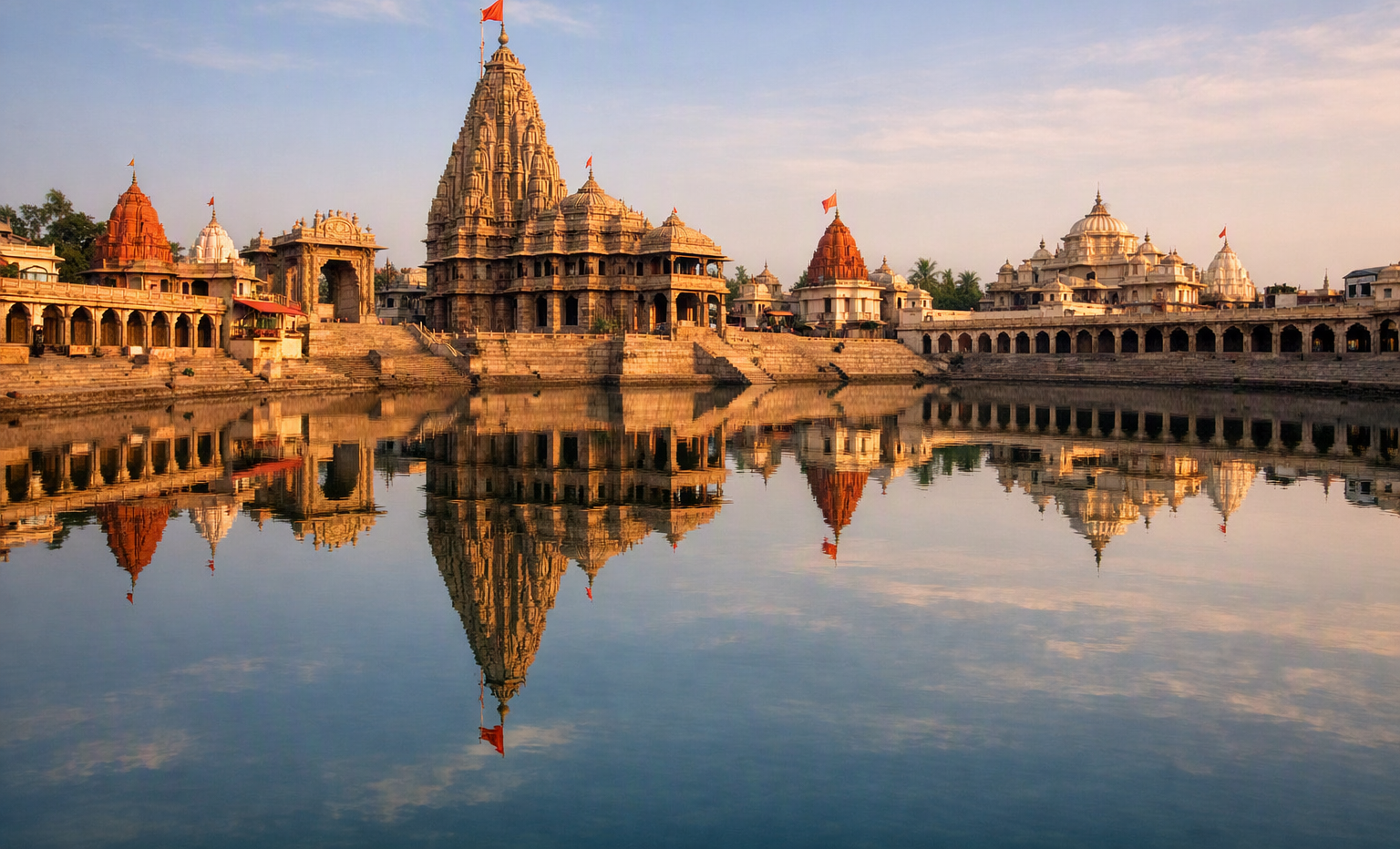
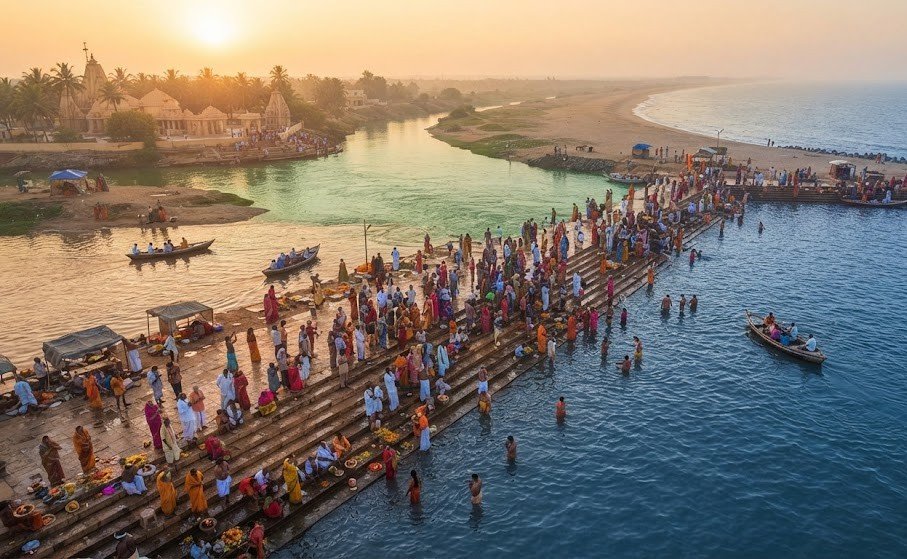
Kamnath Mahadev Temple: Kamnath Mahadev Temple features a large, historic water reservoir. Discover the scriptural legend of Lord Shiva at this sprawling complex.
Here is the updated and fully optimized version of your 1000-word post. It seamlessly integrates your exact focus keyword—1 Fire God Burns Bad Evil Lust—into the title, headings, and body paragraphs to resolve your SEO warnings and improve keyword density.
1 Fire God Burns Bad Evil Lust: Exploring Kamnath Mahadev Temple
Introduction to Kamnath Mahadev Temple :-1 Fire God Burns Bad Evil Lust
Nestled in the spiritual heartland of Gujarat near the sacred town of Prabhas Patan, the Kamnath Mahadev Temple stands as a profound testament to ancient devotion, architectural grandeur, and rich mythological lore. Often overshadowed by the towering presence of the nearby Somnath Temple, this sprawling complex holds its own unique and captivating place in Hindu scriptures and regional history. Dedicated to Lord Shiva in his form as the conqueror of desire and the ultimate ascetic, the temple draws pilgrims, history enthusiasts, and spiritual seekers alike.
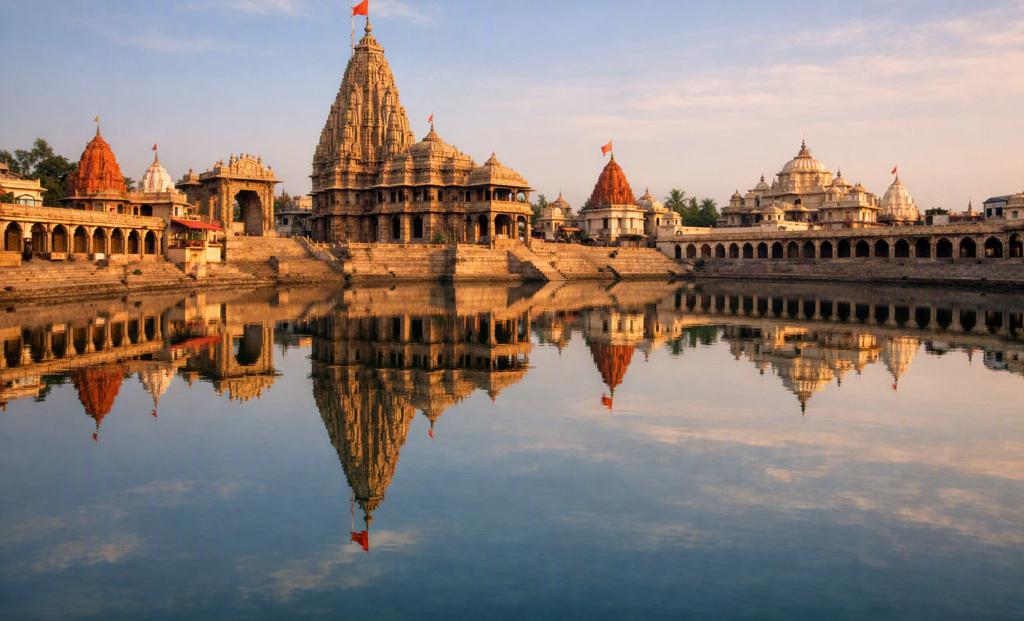
Featuring a large, historic water reservoir and intricate architectural detailing, the temple complex offers a tranquil sanctuary away from the bustling pilgrimage routes. It serves as a living repository of traditions that stretch back centuries, intertwining the fierce, purifying aspects of divine energy with the serene grace of structural devotion.
1 Fire God Burns Bad Evil Lust
1 Fire God Burns Bad Evil Lust: Mythological Legends and Kamadeva :-1 Fire God Burns Bad Evil Lust
The very name Kamnath carries deep philosophical and theological significance in Hindu mythology. Derived from Kama (desire or lust) and Nath (lord or master), Kamnath translates to “The Lord who rules over or conquer desire.”
According to ancient scriptural narratives, this sacred site is intimately connected to the legendary tale of Kamadeva, the god of human love and desire, and his fateful encounter with Lord Shiva’s third eye. In Hindu lore, when Lord Shiva was deeply engrossed in perpetual meditation, the gods sought his intervention to rouse him so that he could father a divine offspring capable of defeating a powerful demon. Kamadeva was tasked with firing an arrow of flowers at Shiva to break his meditative trance.
Disturbed from his profound state, Shiva opened his third eye in fierce wrath, instantly reducing Kamadeva to ashes with celestial fire. This dramatic mythological event illustrates how 1 Fire God burns bad evil lust, symbolizing the absolute supremacy of spiritual consciousness over carnal temptation and base human passions. The fire of Shiva burns away the impurities of ego and desire, purifying the soul and realigning it with the divine. The establishment of the Kamnath shrine commemorates this profound cosmic lesson: that true liberation requires subduing and transforming raw, uncontrolled desires into higher spiritual devotion. Pilgrims visiting the temple often reflect on this narrative, viewing the deity as a supreme protector who grants the inner strength needed to overcome internal vices, spiritual blind spots, and worldly attachments. For further reading on regional heritage and architecture, you can explore resources provided by the Archaeological Survey of India.
Architectural Splendor and the Historic Water Reservoir
The architectural layout of the Kamnath Mahadev Temple complex is a fine example of traditional regional temple design, characterized by spacious courtyards, intricately carved stone pillars, and sanctums that reflect classical Indian iconography.
The Sacred Reservoir (Kund)
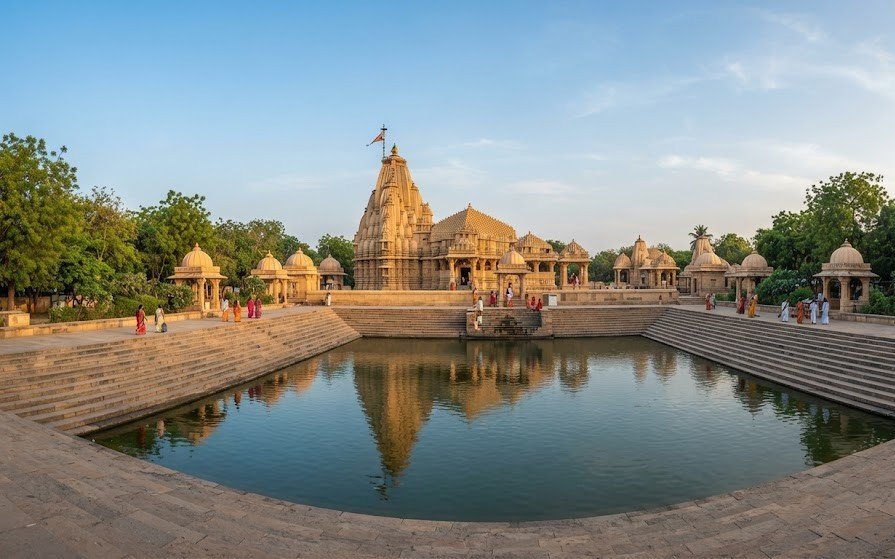
One of the most defining features of the complex is its large, historic water reservoir, or kund. Surrounded by symmetrical stone steps (ghats) on all sides, this tank mirrors the sprawling sky and the temple’s architectural silhouettes. Historically, such temple reservoirs served multiple vital functions:
- Ritual Cleansing: Pilgrims and devotees would take a ritual bath or wash their hands and feet in the holy waters before entering the primary sanctum to offer prayers to Lord Shiva.
- Ecological and Community Hub: The reservoir acted as a sustainable rainwater harvesting system, maintaining the water table in the arid surroundings while serving as a peaceful gathering space for philosophical discourse and community rituals.
- Reflective Aesthetics: The vast expanse of water adds a calming visual dimension to the temple grounds, allowing visitors to experience a deep sense of stillness and contemplation as they walk along the stone banks.
The Sanctum Sanctorum and Shrine Architecture
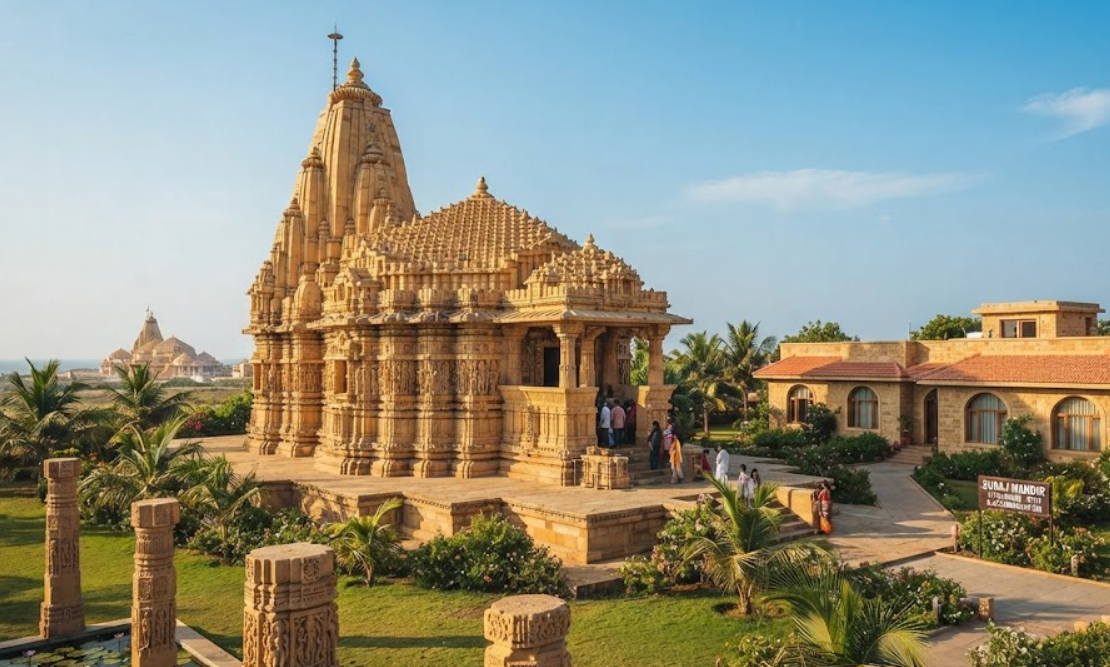
At the center of the complex sits the main shrine housing the Lingam, the aniconic symbol of Lord Shiva. Built using durable local stone capable of withstanding the coastal climate of Saurashtra, the temple showcases traditional Nagara-style architectural elements. The exterior walls are adorned with subtle carvings depicting floral motifs, celestial beings, and geometric patterns. Unlike modern structures, the weathered stone surfaces bear the gentle patina of centuries of weather and worship, lending the site an authentic, timeless aura.
Cultural and Spiritual Significance in Saurashtra :-1 Fire God Burns Bad Evil Lust
The region surrounding Prabhas Patan is steeped in sacred geography, forming a dense network of ancient pilgrimage sites. While the nearby Somnath Temple represents the eternal resilience of the first Jyotirlinga, sites like Kamnath Mahadev provide a deeper meditative layer to the spiritual journey in the area.
Devotees flock to the temple during major Hindu festivals, most notably Maha Shivaratri. During this holy night, the temple comes alive with continuous chanting, rhythmic drumming, ritual bathing of the Shivling with milk, honey, and sacred water, and night-long vigils (jaagaran). The atmosphere becomes charged with collective devotion as thousands of voices echo praises to Lord Shiva, seeking his blessings for peace, prosperity, and spiritual liberation.
Furthermore, the temple plays a vital role in local cultural life, passing down oral histories, folk songs, and scriptural teachings from one generation to the next. Elders often sit by the historic reservoir, narrating tales of ancient sages who meditated in these very lands, reinforcing the cultural identity and spiritual heritage of the community. As noted in our overview of Somnath Temple attractions, integrating visits to these nearby sacred spots enriches the complete pilgrimage experience.
Preservation, Heritage, and Modern Relevance :-1 Fire God Burns Bad Evil Lust
In an era dominated by rapid modernization and digital noise, spaces like the Kamnath Mahadev Temple offer an invaluable retreat into history and mindfulness. Preserving such heritage sites requires a delicate balance between welcoming modern pilgrims and maintaining the sacred quietude that defines them.
Conservation efforts focus on maintaining the structural integrity of the historic water reservoir, ensuring that the stone steps remain safe for visitors while protecting the natural drainage and water retention qualities of the site. Local authorities and temple trusts work continuously to keep the surrounding courtyards clean, offering basic amenities to travelers without disrupting the traditional ambiance.
For contemporary visitors, a trip to Kamnath Mahadev is more than just a sightseeing excursion; it is an invitation to pause, reflect, and connect with centuries of human faith. Whether one is drawn by the architectural beauty of its stone carvings, the reflective stillness of its historic water tank, or the profound philosophical symbolism of conquering inner desires, the temple remains a timeless beacon of peace and spiritual awakening on the Saurashtra coast.

One thought on “1 Fire God Burns Bad Evil Lust”