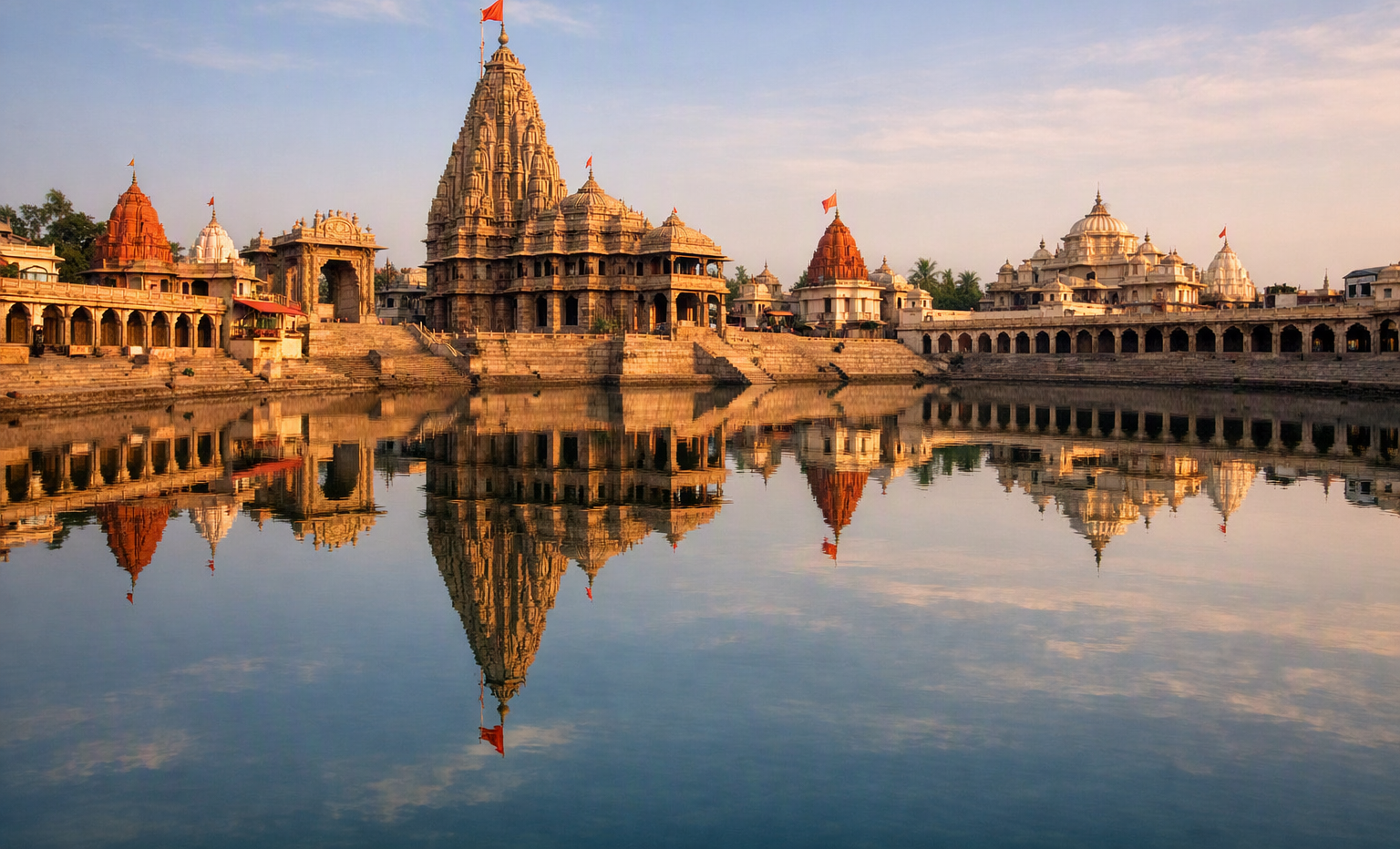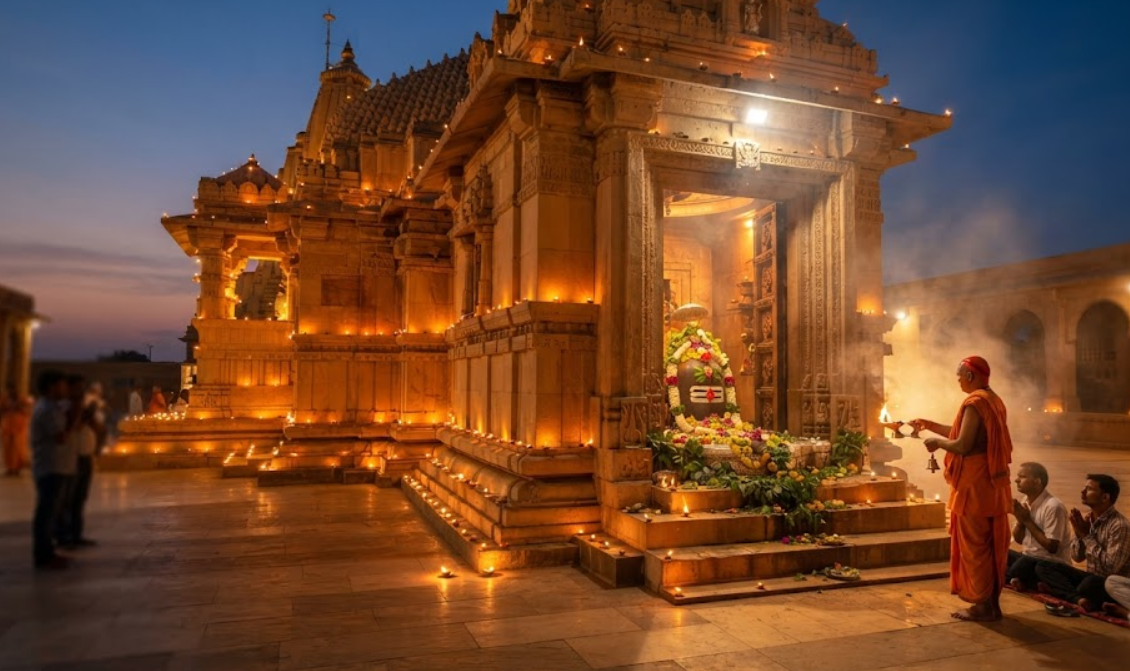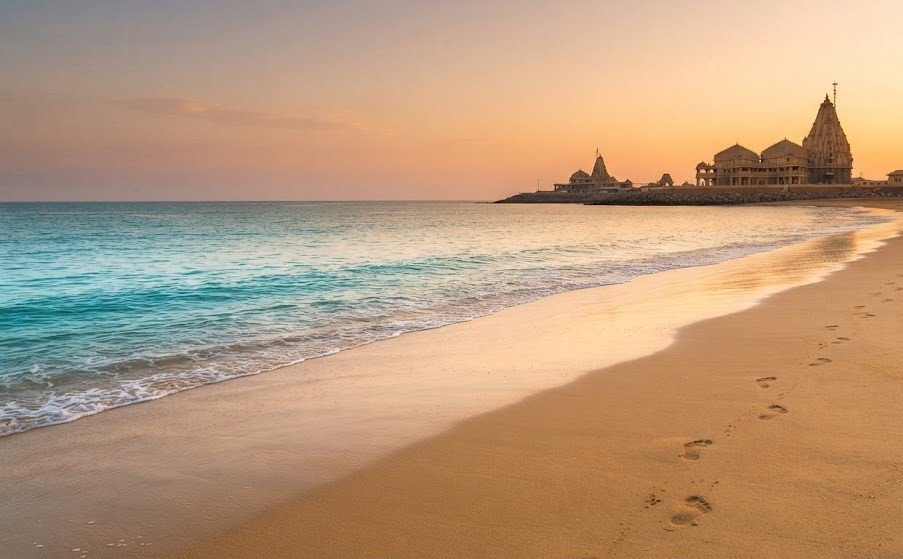
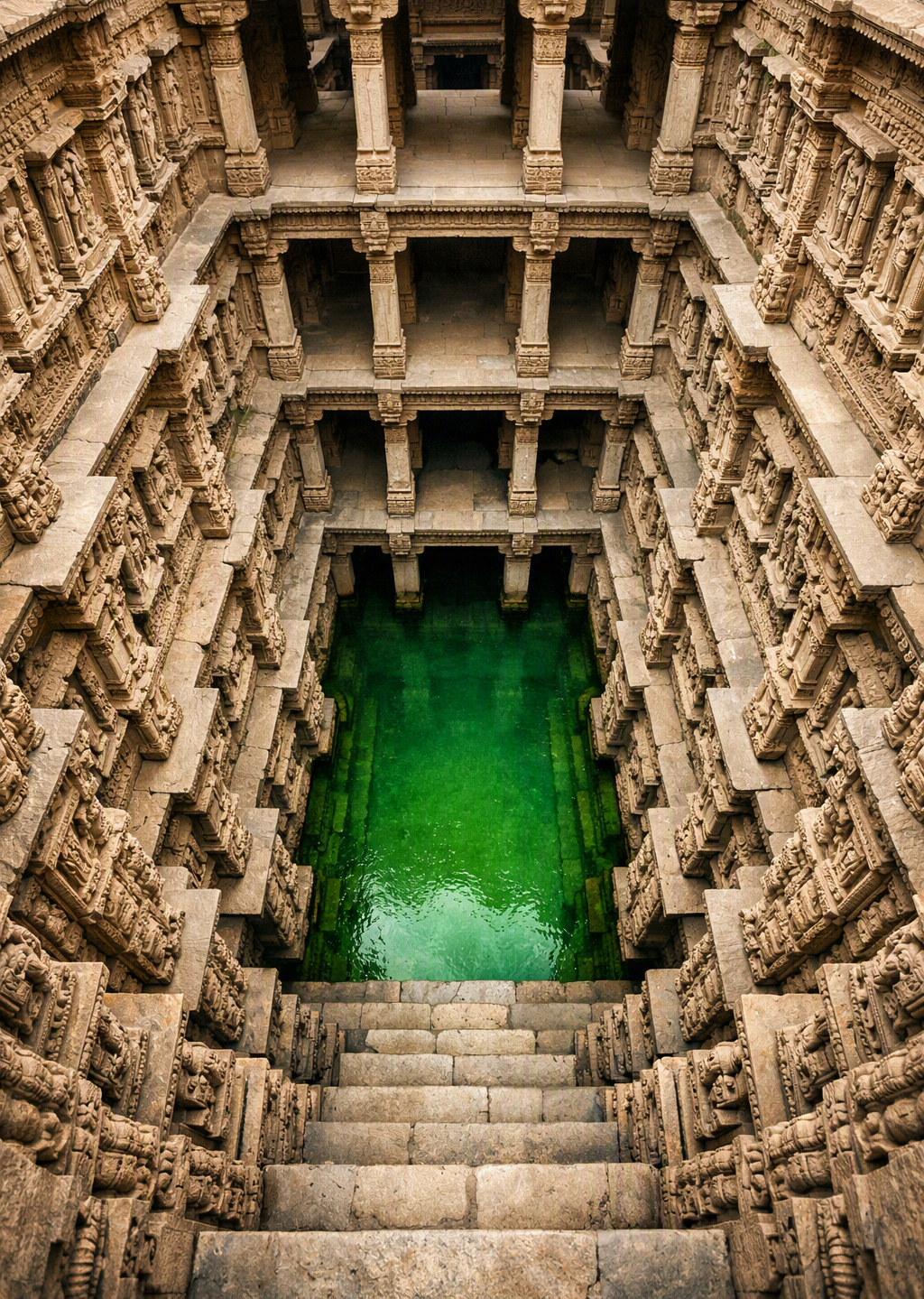
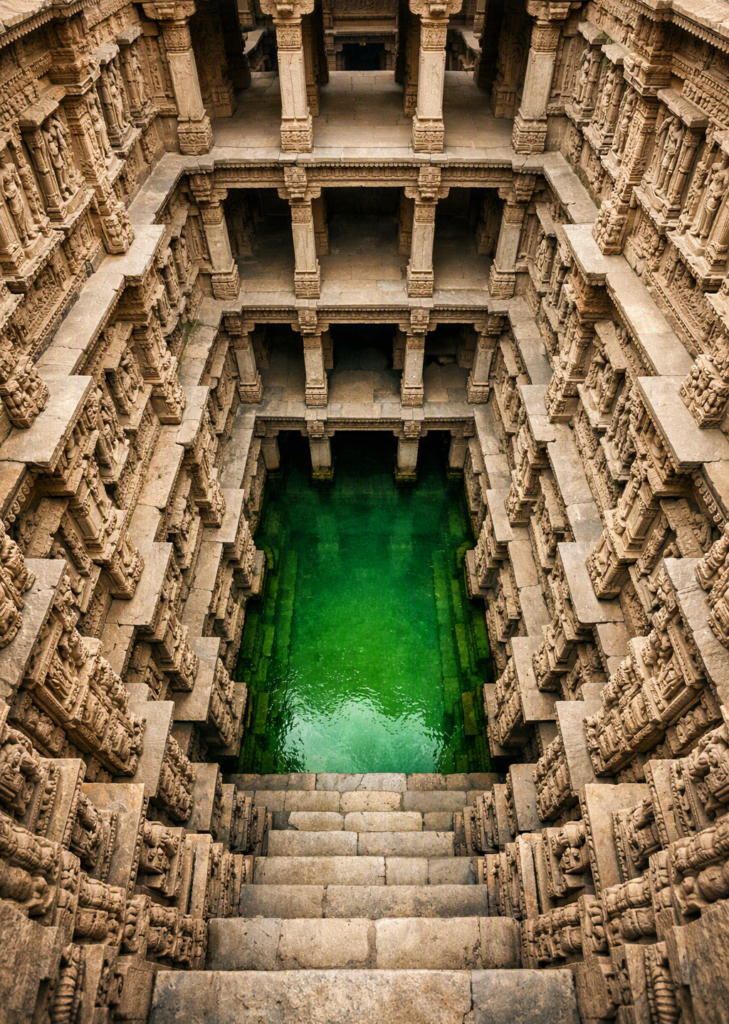
Explore 1 cool oasis to escape dry burn heat. This historic stone stepwell features decorative arches and subterranean chambers once built for weary travelers.
Subterranean Wonders: The Timeless Legacy of India’s Stepwells
When the summer sun beats down on arid landscapes, turning the earth into a shimmering furnace, ancient engineering reveals its quiet brilliance. Across the drought-prone corridors of western India, historic stepwells stand as testament to human ingenuity—subterranean palaces of stone designed not merely to harvest precious rainwater, but to offer a sanctuary from blistering temperatures. Among these remarkable structures, a historic stone stepwell provides 1 Cool Oasis to Escape Dry Burn Heat, welcoming visitors into a shaded world of intricate arches, cool stone ledges, and soothing air.
Stepwells, known locally as baolis, baoris, or vavs, were far more than simple water reservoirs. They were public monuments, social gathering hubs, and sacred retreats built along trade routes to sustain merchants, pilgrims, and local communities. Descending into their depths offers a dramatic shift in climate and mood. As you step down floor by floor away from the glaring surface, the harsh sunlight softens into gentle shadows, and the air temperature drops significantly. It is easy to see why centuries of travelers considered such a structure 1 Cool Oasis to Escape Dry Burn Heat during the long, punishing months of dry weather.
The Origin and Evolution of Subterranean Architecture
The origin of subterranean stepwells is deeply tied to the extreme seasonal climate of the Indian subcontinent. In regions like Gujarat, Rajasthan, and parts of the Deccan Plateau, months of extreme drought are punctuated by brief, violent monsoon rains. Ancient communities needed a way to store water efficiently without allowing intense heat to evaporate their supply. Deep, vertical shafts surrounded by stone walls provided the perfect answer. Over centuries, what began as crude mud trenches evolved into magnificent multi-storied architectural wonders.
As stone carving techniques advanced during the medieval period, stepwells became symbols of civic pride and religious devotion. Kings, queens, wealthy merchants, and noble patrons funded their construction as acts of public welfare and spiritual merit. Installing 1 Cool Oasis to Escape Dry Burn Heat along major trade corridors earned rulers lasting prestige among their subjects and traveling merchants.
The architecture developed unique regional traits across different dynasties. In Gujarat, stepwells such as Rani ki Vav in Patan and Adalaj Stepwell near Ahmedabad showcased intricate Solanki-style stone carvings. In Rajasthan, stepwells like Chand Baori in Abhaneri developed mesmerizing, maze-like geometric stairs. Despite these stylistic differences, every structure was designed around the same fundamental purpose: creating 1 Cool Oasis to Escape Dry Burn Heat where life could thrive during scorching weather.
The Engineering Behind Thermal Comfort and Microclimates
The true brilliance of stepwell construction lies in its mastery of environmental physics and geology. By excavating deeply into the earth, ancient builders tapped into natural earth sheltering. Ground temperatures a few meters below the surface remain stable year-round, insulated from extreme atmospheric heat. Anyone entering the deep subterranean corridors finds 1 Cool Oasis to Escape Dry Burn Heat, experiencing an immediate drop in ambient temperature ranging from 5°C to 15°C compared to ground level.
Passive airflow and evaporative cooling further enhance this thermal performance. As breeze moves across the top opening of the stepwell, hot air rises and escapes through vertical shafts. Meanwhile, cooler, denser air settles into the lower tiers. The open water basin at the very bottom constantly evaporates moisture into the surrounding air, creating a natural humidifying effect. For weary travelers navigating dry, dusty plains, descending into 1 Cool Oasis to Escape Dry Burn Heat offered relief that rivaled modern air conditioning systems.
                   +------------------------------------+
                   |     SURFACE LEVEL (42°C / 108°F)   |
                   +------------------------------------+
                                     |
                                     v
                   +------------------------------------+
                   |   UPPER GALLERIES (36°C / 97°F)    |
                   |   Shaded Pavilions & Balconies     |
                   +------------------------------------+
                                     |
                                     v
                   +------------------------------------+
                   |  MIDDLE CHAMBERS (30°C / 86°F)     |
                   |  Intricate Stone Arches & Pillars  |
                   +------------------------------------+
                                     |
                                     v
                   +------------------------------------+
                   |  DEEP SUBTERRANEAN (25°C / 77°F)   |
                   |  Water Basin & Evaporative Breeze  |
                   +------------------------------------+
The choice of construction materials also played a major role in regulating temperature. Thick blocks of high-density sandstone and granite possess high thermal mass. During the day, these massive stone structures slowly absorb excess heat without passing it quickly into the interior spaces. At night, as atmospheric temperatures drop, the stored heat dissipates gently back into the air. This natural thermal flywheel ensured that 1 Cool Oasis to Escape Dry Burn Heat remained stable, peaceful, and comfortable around the clock.
Decorative Arches, Sacred Geometry, and Artistry
While functionality was paramount, aesthetics were never compromised. Stepwells were designed as living art pieces where structural mechanics met high ornamentation. Rows of geometric arches line each tier, serving as essential load-bearing elements that withstand immense soil pressure. Standing within these long stone galleries, visitors quickly recognize that this complex is 1 Cool Oasis to Escape Dry Burn Heat where structural strength elevates visual beauty.
The decorative arches reflect distinct historical movements and cross-cultural exchanges. In earlier Hindu and Jain stepwells, corbeled arches and post-and-beam construction dominated, featuring rich relief carvings of deities, dancers, musicians, and floral vines. Later Islamic influences introduced true pointed arches, geometric tracery, and elegant calligraphy. As these styles merged, stepwells transformed into breathtaking architectural hybrids. Modern travelers exploring these corridors discover 1 Cool Oasis to Escape Dry Burn Heat framed by centuries of artistic achievement.
| Architectural Feature | Functional Purpose | Aesthetic & Cultural Value |
| Corbeled & Pointed Arches | Distribute heavy soil pressure along deep lateral walls | Frame sweeping vistas of descending stairs and galleries |
| Multi-Tiered Galleries | Provide structural bracing across wide subterranean shafts | Create shaded gathering pavilions and cool rest quarters |
| Central Well Shaft | Reach deep groundwater table and store rainwater | Acts as a vertical cooling chimney for natural draft ventilation |
| Carved Stone Niches | Hold oil lamps for illumination during night hours | Display sacred imagery and decorative geometric patterns |
Havens for Weary Travelers Along Ancient Trade Routes
To appreciate the social importance of these subterranean complexes, one must understand the harsh realities of historic travel across western India. Trade routes connected major coastal ports with inland kingdoms, carrying valuable loads of silk, spices, indigo, and precious stones. Merchants, pilgrims, and animal caravans spent long weeks traversing dry, unforgiving landscapes. Arriving at a stepwell meant survival, rest, and community support. Reaching 1 Cool Oasis to Escape Dry Burn Heat allowed travelers to recover from heat exhaustion and prepare for the journey ahead.
The upper and middle tiers of these stepwells were specifically crafted to host large groups of travelers. Wide stone corridors and sheltered side rooms provided ample space to spread mats, sleep, eat, and rest out of the sun. Deep stone basins provided fresh drinking water for people and livestock alike. The quiet certainty that ahead lay 1 Cool Oasis to Escape Dry Burn Heat sustained trade, communication, and economic growth across vast desert regions.
Stepwells also served as vibrant community spaces, especially for women. In historic villages, drawing water was a daily chore that fell primarily to women. Visiting the local stepwell offered a rare opportunity to step outside household routines, share stories, sing folk songs, and build community bonds. Within these cool, shaded walls, the stepwell functioned as 1 Cool Oasis to Escape Dry Burn Heat both physically and socially, offering a welcoming place to pause and connect.
Exploring the Subterranean Chambers
Navigating a historic stone stepwell is an immersive sensory experience that unfolds step by step. As you step down from the brightly lit surface into the first gallery, the glaring light softens into cool twilight. The sounds of traffic and modern life fade away, replaced by subtle echoes, dripping water, and gentle subterranean breezes. Descending into 1 Cool Oasis to Escape Dry Burn Heat creates a quiet sense of calm and wonder.
       [ Surface Entrance ]
                |
                v
       +------------------+
       | Ground Platform  |
       +------------------+
                |
       +------------------+
       | Level 1 Gallery  | ---> (Shaded Seating Ledges)
       +------------------+
                |
       +------------------+
       | Level 2 Gallery  | ---> (Carved Pillar Halls)
       +------------------+
                |
       +------------------+
       | Level 3 Gallery  | ---> (Subterranean Rest Chambers)
       +------------------+
                |
       +------------------+
       | Deep Water Basin | ---> (Evaporative Core)
       +------------------+
The deeper chambers are marvels of interior climate management. Resting rooms built deep inside the stone structure maintain comfortable temperatures even when external heatwaves peak. Intricately carved stone pillars support soaring vaulted ceilings, while open balcony openings let light filter gently through lower levels. Sitting quietly inside these chambers makes it clear why ancient engineers perfected subterranean design; it is 1 Cool Oasis to Escape Dry Burn Heat built to resist the harshest natural conditions.
Mythological and Religious Dimensions of Water Architecture
In the cultural worldview of ancient India, water was considered far more than a physical commodity; it was venerated as a sacred source of life, purification, and spiritual rebirth. Stepwells were explicitly designed as subterranean temples (tirtha-sthanas) that bridging the worldly realm with the sacred underworld. The act of descending into the earth to reach water mirrored spiritual journeys toward self-discovery and enlightenment.
Within these stone chambers, sculptors adorned niche walls with intricate reliefs of Hindu deities, most notably Lord Vishnu resting upon the cosmic serpent Ananta, or Goddess Ganga standing atop her mythical vehicle, the makara. These sacred motifs transformed routine water gathering into an act of reverence. Sacrifices and ritual offerings were regularly performed at the water’s edge to invoke divine protection against drought and disease. The sanctified ambience enhanced the physical comfort of the space, creating an environment where visitors felt emotionally and spiritually rejuvenated alongside physical relief.
Material Culture, Quarrying, and Stone Construction Techniques
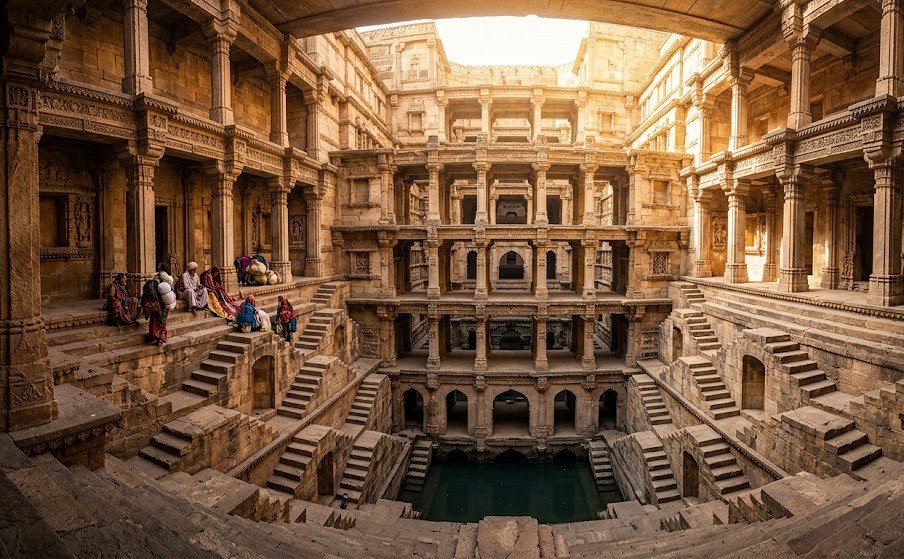
The construction of these vast multi-tiered stepwells required extraordinary technological skill and monumental labor. Quarrying massive sandstone and granite blocks from local hills was an arduous process, relying on wooden wedges, water, and chisels to split rock cleanly along natural grain lines. Once transported to the build site, master stonemasons (silpats) carved and fitted the stones without relying heavily on mortar, using interlocking tongue-and-groove joinery and iron clamps to secure structural integrity.
This dry-stone masonry technique served an essential environmental function. It allowed the massive earth-retaining walls to remain flexible, safely absorbing seismic shifts and accommodating soil expansion caused by alternating monsoon flooding and dry summer heat. The porous nature of sandstone also facilitated gentle seepage of groundwater into the shaft while preventing structural erosion. The sheer longevity of these stepwells—standing firm after nearly a millennium—attests to the deep material knowledge of ancient Indian architects and stonemasons.
Ecological Stewardship and Urban Microclimates
Beyond their architectural magnificence, stepwells served as integral components of broader regional ecological networks. By acting as ground-level collection points during heavy downpours, they prevented soil erosion and diverted floodwaters away from nearby settlements. The surrounding vegetation thrived due to the elevated moisture levels around the wellhead, creating vibrant micro-ecosystems in otherwise desolate terrains. Local wildlife, birds, and insects found refuge around these stone rims, making each stepwell a self-sustaining biodiversity pocket.
In urban centers, stepwells modified the surrounding microclimate by lowering ground surface temperatures across entire town quarters. The cool air wafting up from the central shaft cooled nearby residences, reducing heat stress for whole communities. In an era when modern urban heat islands threaten cities worldwide, the holistic ecological design of these ancient wells offers invaluable guidance for sustainable urban planning.
Water Management and Ecological Wisdom
Beyond their role as thermal retreats, stepwells were sophisticated water management systems. Western India experiences extreme variations in annual rainfall. Monsoons bring brief, heavy rains, followed by nearly ten months of dry weather. Stepwells functioned as large-scale rainwater harvesting reservoirs that captured seasonal runoff and recharged local aquifers. In times of drought, access to 1 Cool Oasis to Escape Dry Burn Heat ensured that nearby settlements had access to life-sustaining water.
The vertical design minimized surface exposure, sharply reducing evaporation losses compared to wide open ponds or lakes. Stone walls filtered incoming groundwater naturally as it seeped through porous rock layers into the central well shaft. This deep ecological understanding allowed ancient communities to thrive in arid climates without depleting their natural resources. Modern urban planners continue to study these ancient structures to build sustainable water conservation systems today.
Notable Stepwells: Masterpieces of Stone and Shade
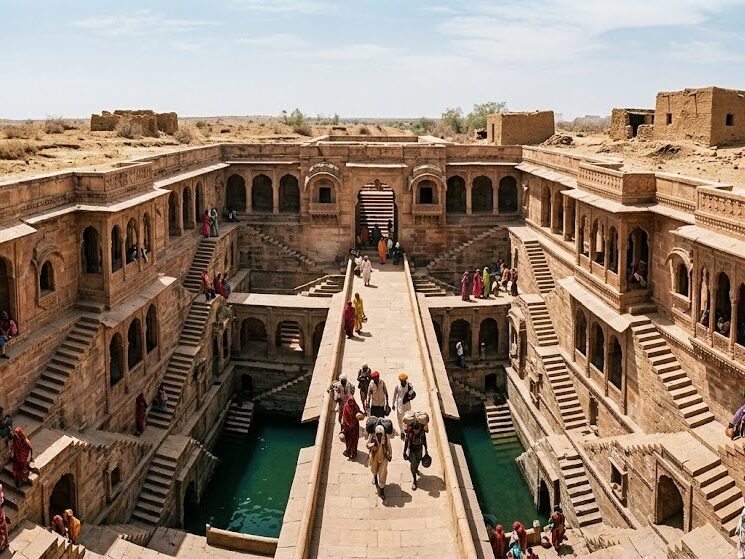
Several historic stepwells stand out as triumphs of ancient engineering and art. Visiting these iconic sites reveals how different builders crafted unique subterranean sanctuaries.
Rani ki Vav (Patan, Gujarat)
Recognized as a UNESCO World Heritage Site, Rani ki Vav is widely considered the supreme masterpiece of stepwell architecture. Built in the 11th century by Queen Udayamati in memory of her husband, King Bhimdev I, this seven-story stepwell is designed as an inverted temple highlighting the sacred value of water. Over 500 major sculptures and thousands of minor carvings adorn its deep walls. Descending into its stone halls reveals 1 Cool Oasis to Escape Dry Burn Heat where spiritual art and water engineering exist in perfect harmony.
Chand Baori (Abhaneri, Rajasthan)
Chand Baori is one of the deepest and largest stepwells in the world. Built during the 9th century, it features 3,500 narrow stone steps arranged in precise geometric patterns across 13 distinct levels. Dropping over 30 meters into the earth, the structure creates a striking visual maze. At the bottom, the air stays noticeably cooler than at ground level, offering 1 Cool Oasis to Escape Dry Burn Heat that has amazed travelers for more than a thousand years.
Adalaj Stepwell (Gandhinagar, Gujarat)
Built in 1498 by Queen Rudadevi, the Adalaj Stepwell is famous for its harmonious blend of Solanki architecture and Islamic geometric patterns. Its five-story design features octagonal openings that allow sunlight to filter softly down into lower chambers. The cool stone galleries served as a crucial sanctuary for caravans moving along trade routes, proving that 1 Cool Oasis to Escape Dry Burn Heat could serve as both a practical retreat and a stunning cultural monument.
Rediscovery, Conservation, and Modern Relevance
During the British colonial era, many stepwells fell into neglect. Modern piped water systems, canal networks, and motorized groundwater pumps caused communities to abandon their ancient water systems. Many stepwells filled with silt, lost structural stability, or were used as trash dumps. However, recent decades have seen a major revival of interest in these historic monuments.
Conservation bodies, cultural organizations, and local groups have restored dozens of major stepwells across India. Cleaning away centuries of accumulated debris has revealed magnificent stonework and brought long-dormant water management systems back to life. Today, visitors from around the world travel to explore these subterranean sites, discovering 1 Cool Oasis to Escape Dry Burn Heat that showcases the brilliance of ancient builders.
As climate change causes rising global temperatures and severe droughts, the passive cooling principles of stepwells offer valuable lessons for modern design. Contemporary architects are adapting earth-sheltering techniques, passive airflow chimneys, and subterranean cooling pools to build energy-efficient structures. The timeless design of the historic stepwell proves that human ingenuity can create 1 Cool Oasis to Escape Dry Burn Heat through sustainable design rather than high energy consumption.
Lessons from Ancient Design for the Modern World
The enduring legacy of the historic stepwell goes far beyond its impressive beauty. It stands as a powerful reminder of how human civilizations can adapt to harsh environmental conditions by working with natural elements rather than fighting them. By utilizing earth shelter, stone thermal mass, and evaporative cooling, ancient builders solved extreme climate challenges without burning fossil fuels or damaging local environments.
When exploring these quiet stone galleries, one comes away with deep respect for the visionaries who built them. They created public spaces that were useful, sustainable, and beautiful. Whether viewed as an architectural triumph, a sacred water shrine, or 1 Cool Oasis to Escape Dry Burn Heat, the historic stone stepwell remains one of humanity’s most extraordinary achievements—a subterranean sanctuary built to comfort, protect, and inspire generations of travelers across the centuries.